


Fleece Sweaters for Small Dogs & Cats: Fit and Warmth
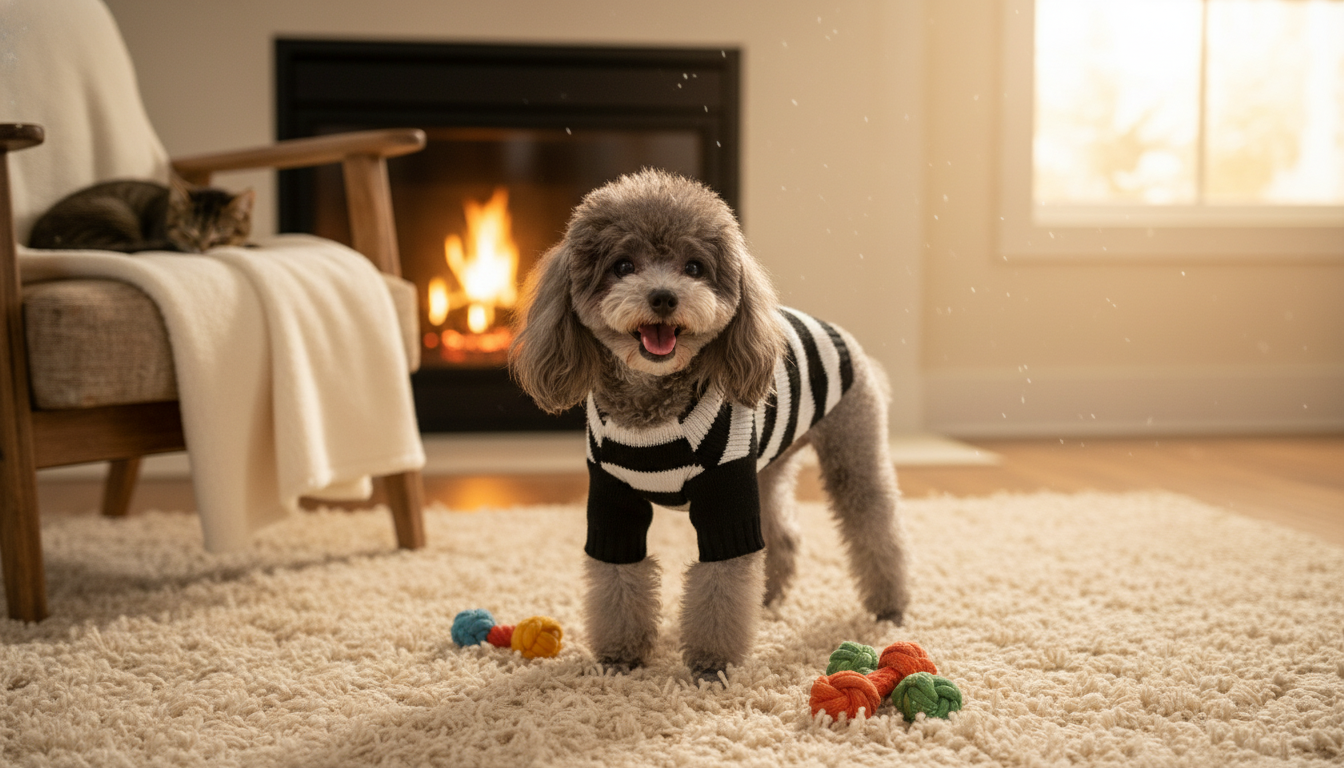
Cozy Fleece Sweaters for Small and Medium Dogs & Cats: Warmth, Fit, and Everyday Comfort
Chilly mornings, cold floors, and drafty rooms can hit smaller pets harder. A soft fleece sweater adds an extra layer without the bulk, helping many small and medium dogs—and some cats—stay comfortable during walks, car rides, or lounging at home. The key is choosing a fit that keeps heat in while allowing full movement and easy bathroom breaks.
When a fleece sweater helps most
Fleece sweaters are a practical option when your pet needs a little extra warmth but doesn’t need a heavy winter coat. They’re especially useful for:
- Small breeds and short-haired pets that lose body heat quickly in cooler temperatures
- Senior pets that may appreciate gentler warmth for resting and sleeping
- After grooming, when coats are shorter and pets may feel colder than usual
- Indoor comfort for pets that seek blankets or warm vents in cooler seasons
- Light outdoor use in dry conditions as an easy-to-wear layer
For outdoor time, remember that cold tolerance varies by breed, coat type, age, and health. If temperatures drop sharply or conditions turn wet and windy, shorten outings and watch for shivering or reluctance to move. Helpful cold-weather safety guidance is available from the American Veterinary Medical Association (AVMA) and the American Kennel Club (AKC).
What to look for in a good pet fleece sweater
The best fleece sweater is the one your pet will actually tolerate wearing. Comfort details make a big difference, particularly for pets with sensitive skin or a strong dislike of “getting dressed.” Prioritize these features:
- Soft, insulating fleece that feels warm but not heavy
- Stretch and shape that allow natural shoulder and leg movement
- Smooth seams and edges to reduce rubbing under the chest and behind the legs
- Smart coverage that protects the torso while keeping the potty area clear (especially for dogs)
- Simple on/off design to reduce fuss for pets that dislike dressing
When possible, choose a sweater that sits evenly along the spine without pulling across the chest. If your dog wears a harness, check that the sweater doesn’t bunch under straps or restrict the shoulder area during a normal stride.
Sizing and measuring without guesswork
Fit issues usually come from skipping measurements or focusing on only one number. For most dogs, chest girth is the most important measurement because it impacts breathing, movement, and comfort. For cats, a secure-but-flexible fit helps prevent twisting while still allowing jumping and shoulder rotation.
- Measure chest (girth) at the widest part behind the front legs; this is often the most important measurement
- Measure back length from the base of the neck to the base of the tail (avoid including the tail)
- Measure neck where a collar naturally sits; ensure it’s not tight when the pet looks down
- If between sizes, prioritize chest fit first; too-tight chest fit can restrict breathing and movement
- For cats, choose a comfortable, secure fit that doesn’t limit jumping or shoulder movement
| Measurement | How to measure | Fit check |
|---|---|---|
| Chest (girth) | Around the widest part of the ribcage, just behind front legs | Two fingers should fit comfortably under the sweater |
| Back length | Base of neck to base of tail along the spine | Ends before tail base; doesn’t ride up when walking |
| Neck | Where a collar sits | Pet can lower head easily; no gagging or pressure |
| Leg openings | Visual check once worn | No rubbing in armpits; full stride without snagging |
Quick fit “tell” to watch for
If the sweater consistently slides to one side, rides up toward the neck, or pulls backward with each step, the chest/shoulder area is usually too tight or the back length is off. Re-measure and compare to the size chart rather than forcing the fit.
Comfort and safety checks after putting it on
A sweater should feel like a cozy layer—not a restraint. After dressing your pet, do a short indoor test before heading outside.
- Watch a short “trial run” indoors: walking, sitting, turning, and stretching should look normal
- Check for rubbing at armpits, chest, and neckline; remove immediately if irritation appears
- Ensure the sweater doesn’t twist or slide to one side, which can indicate a poor fit
- Avoid leaving clothing on unattended pets that chew fabric or get tangled
- Keep pets dry and warm—wet fleece can reduce insulation and cause chilling in cold air
Care tips to keep fleece soft and long-lasting
Featured picks for cozy routines
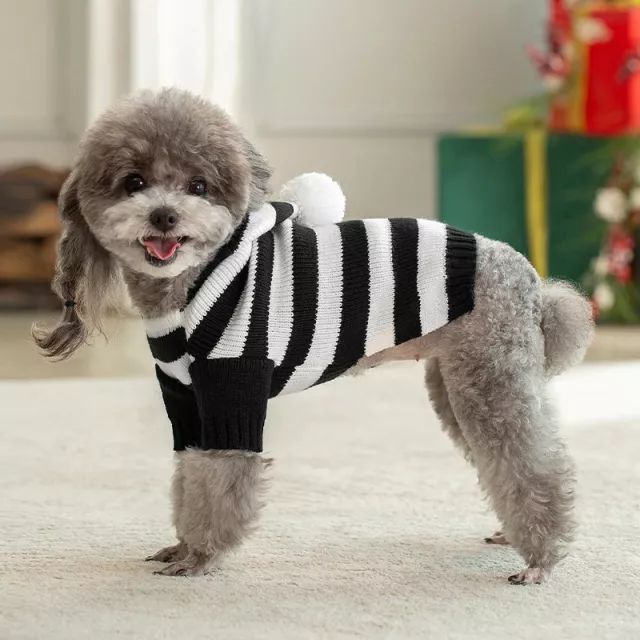
- Cozy Fleece Sweaters for Small and Medium Dogs & Cats — a soft fleece layer for everyday warmth during cool weather; best results come from measuring chest, neck, and back length before selecting a size.
- 13-Color RGB LED Night Light for Kids — a simple way to keep a dim, comforting glow near a pet’s sleeping area for nighttime water breaks or crate training.
- 3-in-1 Bottle Gap Cleaner Brush — handy for reaching tight corners in water bottles and some pet-feeding accessories where residue can build up.
FAQ
Can dogs and cats wear fleece sweaters all day?
Many pets can wear a fleece sweater for short, supervised periods, but it’s best to remove it if you notice overheating, itching, chewing, or restricted movement. Avoid unattended wear for pets that may get tangled or chew fabric.
How tight should a pet sweater fit?
A good fit is snug but not restrictive: use the two-finger rule at the chest/neck, confirm there’s no rubbing at the armpits, and make sure your pet’s gait and breathing look normal. Twisting, riding up, or constant readjusting usually means the size is off.
Do sweaters replace a winter coat for cold walks?
Fleece sweaters are often a light layer only. In very cold, windy, or wet conditions, many pets need a warmer, more protective outer layer and shorter outings.















Leave a comment