


HEPA + Activated Carbon Air Purifier for Smoke & Odors
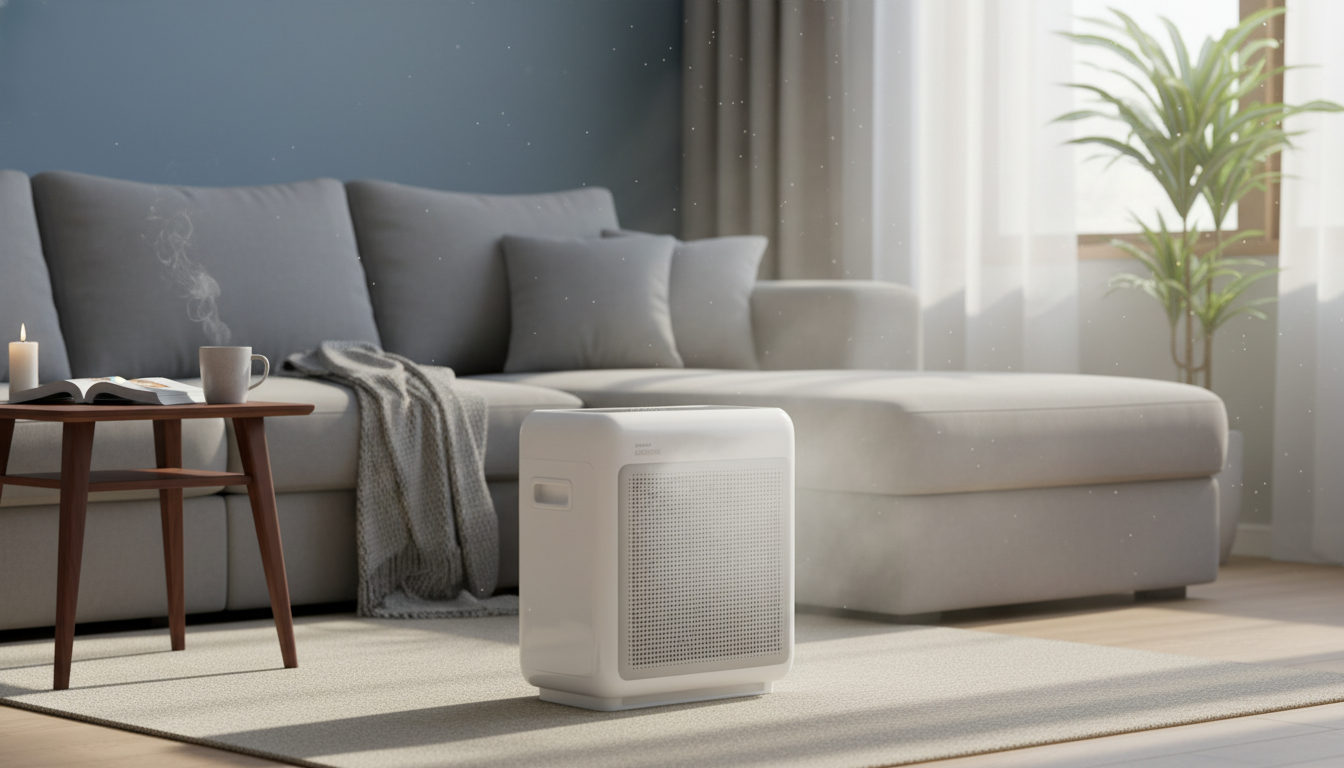
Advanced HEPA & Activated-Carbon Air Purifier for Cleaner Air at Home
Air can look clean and still carry fine particles, smoke, and odors that make a room feel stuffy or irritating. An advanced purifier that combines HEPA filtration with activated carbon is designed to tackle both airborne particulates and smell-causing gases, helping bedrooms, living rooms, and home offices feel fresher and more comfortable day to day.
If you’re upgrading your indoor air setup, the Advanced HEPA & Activated-Carbon Air Purifier is built around this dual approach: capture the tiny stuff you can’t see, while also reducing many of the odors you definitely notice.
What HEPA + Activated Carbon Helps Remove
A single filter type rarely covers every indoor air issue. Pairing HEPA with activated carbon helps address the two big categories that affect comfort: particles and gases.
- Fine particulate pollution: dust, pollen, and other small airborne particles that can linger indoors.
- Pet-related mess: dander and the dusty “pet household” feel that builds up in fabrics and carpets.
- Smoke and cooking byproducts: lingering haze and burnt-food odors that spread beyond the kitchen.
- Odors and gases: activated carbon targets many smell-causing VOCs and household fumes that a particle-only filter may miss.
- Seasonal discomfort: keeping indoor air cleaner can reduce exposure to common triggers like pollen and dust.
For a deeper overview of what home air cleaners can and can’t do, the EPA’s guidance is a practical reference: Air Cleaners and Air Filters in the Home.
How the Filtration Stages Work Together
Multi-stage filtration is less about adding complexity and more about protecting the core filters so they can keep doing their job.
- Pre-filter stage: captures larger debris (hair, lint) to reduce load on the main filters.
- HEPA stage: designed to trap very small particles; helpful for allergy seasons and dusty homes.
- Activated-carbon stage: adsorbs many odor-causing molecules and certain gases from smoke, cooking, and household products.
- Balanced approach: pairing particulate capture with odor control helps a room feel cleaner, not just look cleaner.
- Filter condition matters: performance depends on timely filter replacement and correct installation.
As a quick reality check: HEPA can be excellent at particle capture, but odors are often the reason people keep turning a purifier up. Carbon is what typically makes the biggest difference when “the air feels off” even after dust seems under control.
Room Placement and Daily Use That Make a Difference
Even a high-performing purifier can underdeliver if it’s shoved into a corner or blocked by furniture. Small placement tweaks often change results more than toggling settings.
- Place it where air can circulate: keep a few feet of clearance from walls, curtains, and furniture.
- Focus on problem zones: near the kitchen doorway for cooking odors, or near litter areas for pet smells (without blocking vents).
- Keep doors in mind: for best results, treat one room at a time with doors mostly closed.
- Let it run consistently: steady operation often outperforms short bursts, especially during pollen season or smoke events.
- Use higher settings when needed: after cooking, cleaning, or when outdoor air quality is poor.
During smoke events (including wildfire smoke), indoor air practices matter just as much as the device itself. The EPA’s wildfire smoke guidance is a strong primer: Wildfire Smoke and Indoor Air Quality.
Feature Checklist for an “Advanced” Purifier
Not every “HEPA + carbon” label means the same thing. The most satisfying units tend to get the basics right and make ongoing upkeep realistic.
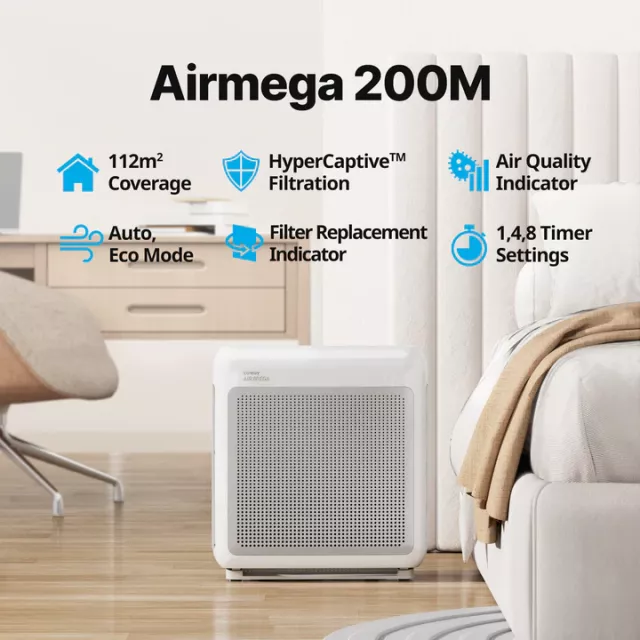
- True HEPA filtration paired with a meaningful amount of activated carbon for odors and gases.
- Multiple fan speeds or auto mode to balance noise and cleaning power.
- Filter replacement availability and clear maintenance guidance.
- Energy use suited to extended runtime, especially for bedrooms and living spaces.
- Build quality and stable airflow design to reduce rattles and uneven performance over time.
For bedroom comfort, it also helps to pair clean air with a calm nighttime environment. A soft, adjustable light like the 13-Color RGB LED Night Light for Kids can keep the room usable without blasting overhead lighting.
Quick Comparison: HEPA-Only vs HEPA + Activated Carbon
Choosing a Filter Setup by Common Home Needs
| Home situation | Best fit | Why it helps |
|---|---|---|
| Dusty rooms, seasonal pollen | HEPA + optional carbon | HEPA targets fine particles; carbon adds extra freshness |
| Cooking odors, VOC smells | HEPA + activated carbon | Carbon adsorbs many odor-causing gases that HEPA doesn’t capture |
| Pet dander + pet odors | HEPA + activated carbon | HEPA helps with dander; carbon reduces lingering smells |
| Smoke events (cooking or outdoor smoke) | HEPA + activated carbon | HEPA reduces smoke particles; carbon helps with odor components |
Maintenance: Filters, Cleaning, and Replacement Timing
If your home is dealing with heavy everyday mess (crumbs, lint, and sticky corners around the same spaces you’re trying to keep fresh), small cleaning helpers can make upkeep easier. The 3-in-1 Bottle Gap Cleaner Brush is a simple add-on for tight spots that collect grime and odors over time.
Advanced HEPA & Activated-Carbon Air Purifier: Highlights
FAQ
Is activated carbon necessary if a purifier already has HEPA filtration?
HEPA filtration targets particles like dust, pollen, and smoke particulates, but it doesn’t address many odor-causing gases. Activated carbon is the better tool for reducing smells from cooking, pets, and some VOCs and household fumes.
How often should HEPA and activated carbon filters be replaced?
Replacement timing depends on your environment and runtime, but many households plan in months rather than weeks. Activated carbon odor control often fades sooner than particle filtration, so follow your unit’s stated schedule and watch for reduced airflow or returning odors.
Where should an air purifier be placed for the best results?
Place it where air can move freely, with clearance from walls, curtains, and large furniture. For best results, focus on one room at a time with doors mostly closed, and use a higher fan setting after cooking, cleaning, or smoke/odor events.










Leave a comment