


M300S 4K Dual Dash Cam for VW, Subaru & Nissan
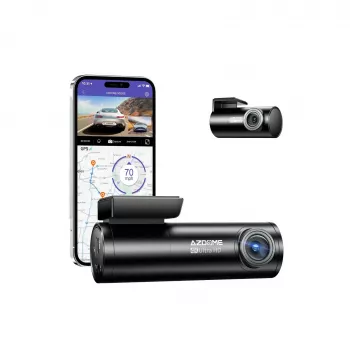
M300S 4K Front and Rear Dash Cam for Volkswagen, Subaru, and Nissan
A front-and-rear dash cam helps document everyday driving, unexpected incidents, and parking lot bumps. The M300S pairs 4K front recording with a rear camera for wider coverage, making it a practical upgrade for commuting, road trips, and overnight parking in Volkswagen, Subaru, and Nissan vehicles.
What a Front-and-Rear Dash Cam Solves Day to Day
Most stressful driving moments happen quickly: a sudden stop at a light, a confusing merge, or a close call in a busy intersection. A dual-camera setup adds context by showing what happened ahead of you and what was happening behind you at the same time.
- Captures clear context for sudden braking, merges, and intersection situations with a forward view plus a rear view
- Helps reduce uncertainty after minor collisions by preserving video that can support timelines and angles
- Adds peace of mind when parked by recording potential impacts or suspicious activity (feature behavior varies by setup)
- Improves visibility compared with single-camera setups by covering tailgaters and rear-end incidents
For broader driving safety guidance and best practices, the National Highway Traffic Safety Administration (NHTSA) offers driver safety resources. For general context on how incidents can affect claims, the Insurance Information Institute (III) is a helpful reference.
M300S 4K Dash Cam Overview
The M300S is built around a simple idea: cover the two most important viewpoints on the road. The front camera records in 4K to prioritize detail where it matters most—vehicles ahead, signage, lane markings, and the sequence of events leading into a sudden stop. The rear camera complements that by capturing close-following vehicles and rear-end events that a front-only camera can’t show.
- Dual-camera coverage: front and rear recording to capture a broader picture of what happens around the vehicle
- 4K front recording for improved detail on signage, lane markings, and vehicles ahead
- Designed as an in-car accessory upgrade for daily driving, ride-sharing, and long-distance travel
- Fits a wide range of cabin layouts commonly found in Volkswagen, Subaru, and Nissan models
Quick specs and buying details
| Item | Detail |
|---|---|
| Product | M300S 4K Dash Cam Front and Rear for Volkswagen, Subaru, Nissan |
| Price | 133.32 USD |
| Availability | In stock |
| Category | Car Accessories |
| MPN | 44311 |
| SKU | 200000182:193 |
M300S 4K Dash Cam Front and Rear for Volkswagen, Subaru, Nissan
Coverage and Video Quality: What to Expect
Video quality is a combination of resolution, placement, and real-world conditions. With 4K up front, the goal is to improve clarity for the moments that matter most—like identifying lane position, reading nearby signage, and capturing vehicle movement patterns during braking or merging.
- Front 4K recording prioritizes clarity for the most critical forward-facing events
- Rear camera adds context for rear-end collisions, close-following vehicles, and backing incidents
- For best results, position the front camera high on the windshield behind/near the rear-view mirror and mount the rear camera with an unobstructed view
- Keep windshields and rear glass clean to reduce glare, haze, and nighttime halos
A practical expectation: any dash cam can struggle with extreme glare, heavy rain, or dark roads with bright headlights. Cleaner glass, a stable mount, and a good camera angle often make a bigger difference than changing settings after the fact.
Installation Notes for Volkswagen, Subaru, and Nissan Cabins
Volkswagen, Subaru, and Nissan cabins vary widely—from compact sedans to crossovers and hatchbacks—so plan your mount points first, then route cables second. A clean install should look nearly factory: cameras aligned, wires tucked, and no interference with safety systems.
- Cable routing typically runs along the headliner, down the A-pillar, and toward power; avoid interfering with airbags and trim clips
- Rear camera placement varies by body style: hatchbacks and wagons often need extra attention to wiper sweep areas and defroster lines
- Sedans usually allow a clean rear-glass mount centered high for the widest view
- After mounting, confirm the rear camera angle includes the horizon and a small portion of the vehicle’s rear edge for reference
If your vehicle has advanced driver-assistance sensors or a dotted frit band near the mirror, mount the front camera where it won’t block those elements or your own sightline. Before finalizing cable routing, do a short test drive and confirm both feeds look level and stable.
Use Cases That Benefit Most from Dual Cameras
Ownership Tips: Getting Reliable Footage
- 3-in-1 Bottle Gap Cleaner Brush (useful for tight console areas where dust and debris build up)
- Portable Eye Massager (a comfort accessory for breaks during long drives or travel downtime)
- 13-Color RGB LED Night Light for Kids (a gentle ambient light option for family travel or camping-style stops)
FAQ
Will a front-and-rear dash cam work in most Volkswagen, Subaru, and Nissan models?
In most cases, yes—typical windshields and rear glass in these brands support standard dash cam mounting. Exact placement and cable routing will vary by body style (sedan vs. hatchback) and by features like sensors near the mirror, so it’s best to confirm you have a clean mounting surface and a workable power option before final installation.
Is 4K necessary for a front dash cam?
4K isn’t strictly necessary, but it can help capture more forward detail like lane markings, signage, and vehicles farther ahead. Real-world factors such as glare, weather, dirty glass, and nighttime lighting still affect clarity, so proper positioning and clean windows remain important.
How should the rear camera be positioned for the best view?
Mount the rear camera high and centered on the rear glass when possible, aiming it to include the horizon and a small portion of your vehicle for reference. Avoid areas where defroster lines, heavy tint edges, or wiper sweep zones could reduce visibility, and verify the angle with a short test recording.
















Leave a comment