


Owleys Tailgate Car Dog Ramp: Safer SUV & Truck Entry
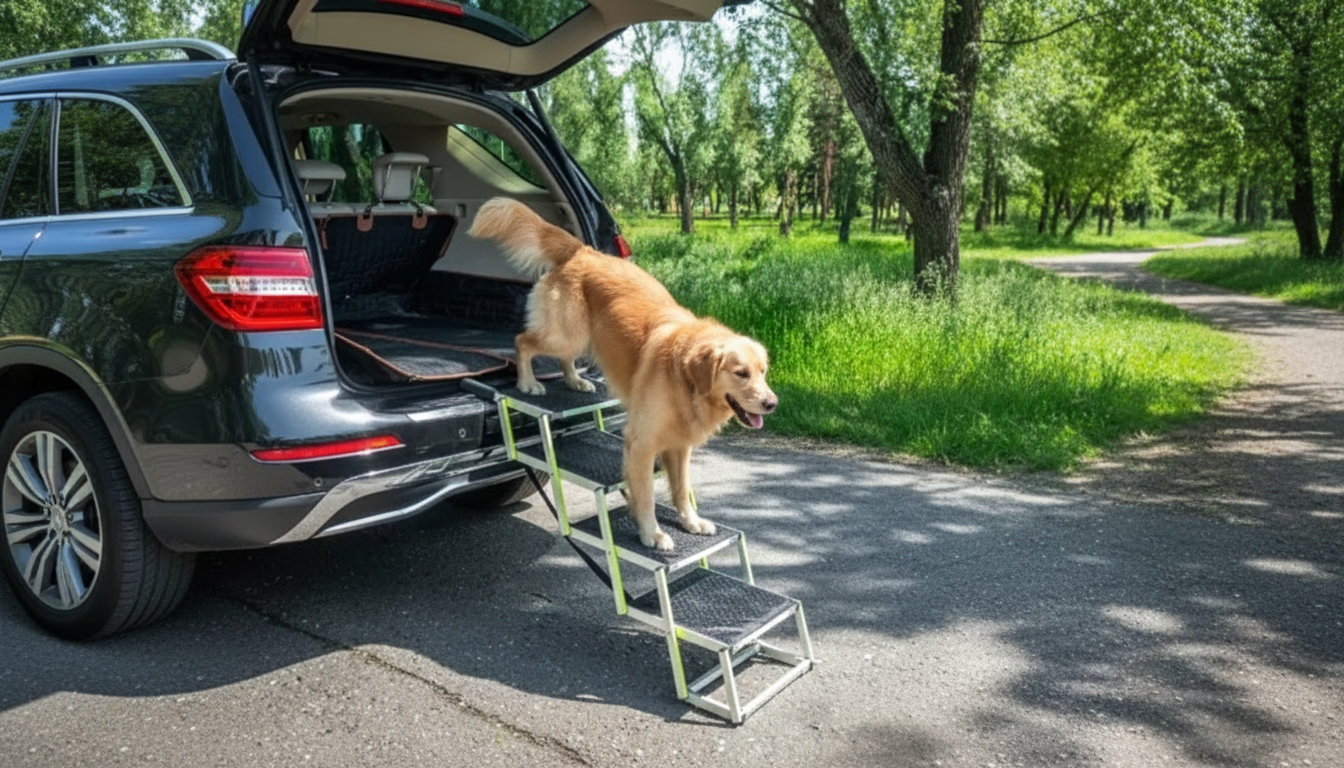
Car Dog Ramp “Tailgate” by Owleys: Safer Car Access for Dogs
Getting a dog into an SUV, truck, or higher sedan can strain joints, trigger hesitation, or lead to slips—especially for seniors, short-legged breeds, and dogs recovering from injury. The Car Dog Ramp “Tailgate” by Owleys is designed to make vehicle entry and exit steadier and less stressful, while keeping everyday travel simple for pet owners. For more guidance, see Back Seat Dog Ramp For Car Reviews Car Dog Ramp “Tailgate” By ….
For dogs managing stiffness or reduced mobility, minimizing impact matters. Veterinary resources like the American Veterinary Medical Association (AVMA) guidance on arthritis in dogs and senior care tips from the American Kennel Club (AKC) highlight how supportive routines can help dogs stay active and comfortable. A ramp can be one of the simplest routine upgrades—especially when car rides are frequent. For further reading, see Colored Copper Craft Wire Artistic Wire 20 Gauge Tarnish Resistant ….
When a ramp makes the biggest difference
Some dogs leap into a trunk without thinking; others pause, scramble, or refuse. A ramp is most helpful when the “jump” becomes a daily strain or a safety risk.
- Senior dogs or dogs with arthritis, hip dysplasia, or mobility limitations that struggle with jumping.
- Medium-to-large dogs that can jump but face cumulative joint wear over time.
- Short-legged breeds that deal with awkward angles when climbing into taller vehicles.
- Post-surgery or rehab periods when controlled movement is recommended.
- Nervous dogs that refuse to jump into the trunk or back seat due to height or slippery surfaces.
Even confident dogs can misjudge a wet bumper, a slick plastic threshold, or an icy parking lot. A stable ramp helps reduce the “one bad landing” moment that can turn a happy traveler into a hesitant one.
What stands out about the Owleys “Tailgate” ramp
Not all ramps feel the same to a dog. The “Tailgate” is geared toward vehicle loading—where the top contact point and the walking surface traction often make or break a dog’s confidence.
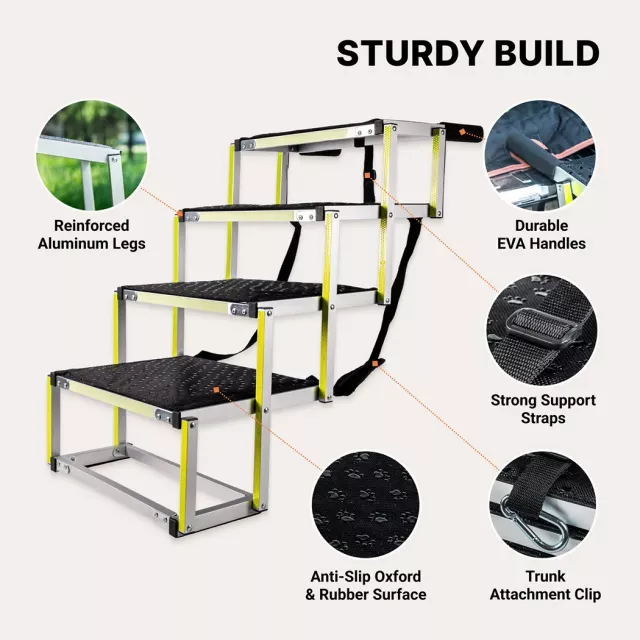
- Built for car loading: intended for tailgate/trunk-style entry where stability and traction matter most.
- Portable use: suitable for keeping in the vehicle for trips, vet visits, parks, and travel days.
- Traction-focused walking surface: helps reduce paw slipping during ascent and descent.
- Supportive alternative to lifting: reduces back strain for owners who frequently pick up heavier dogs.
- Helps establish a predictable routine: a consistent approach path can reduce anxiety for hesitant dogs.
Quick view: everyday benefits
| Need | How a ramp helps | Best use case |
|---|---|---|
| Less jumping | Lowers impact on joints | Senior dogs; joint sensitivity |
| More secure footing | Reduces slips on wet/icy days | Rain, snow, muddy paws |
| Easier loading | Less lifting and awkward angles | Large dogs; frequent outings |
| Confidence building | Creates a consistent entry/exit path | Hesitant or anxious dogs |
How to set up and use it safely
A ramp only feels “safe” to a dog when it stays put. Take a minute to set it up thoughtfully—most ramp-related hesitation comes from wobble, a steep angle, or a slippery surface.
- Park on level ground whenever possible; avoid steep driveways during training.
- Place the ramp firmly against the vehicle edge so the top contact point is stable and doesn’t shift.
- Check the walking surface for debris or moisture before each use.
- Keep the ramp angle as low as possible by choosing the closest safe parking spot to the curb or a flatter surface.
- Use a short leash and stand to the side rather than pulling from above; guide calmly and avoid rushing.
- Reward at each milestone (approach → first step → halfway → full climb) to create positive association.
If a dog starts to “bunny hop,” scramble, or jump off halfway, pause and adjust the setup. Lowering the angle and improving surface grip usually fixes the issue faster than repeating commands.
Training tips for dogs that hesitate
Training a ramp is less about obedience and more about trust: “This path won’t slip, wobble, or surprise me.” Keep sessions short and end on a win.
Choosing the right ramp for your vehicle and dog
Care, maintenance, and travel readiness
Helpful add-ons for smoother trips
- Car Dog Ramp “Tailgate” by Owleys — a steadier way to help dogs enter and exit higher vehicles.
- 13-Color RGB LED Night Light for Kids — useful as a soft cabin or campsite light so your dog can see where to step during nighttime stops.
- 3-in-1 Bottle Gap Cleaner Brush — handy for cleaning tight creases in travel bowls, bottles, or small car messes after long rides.
FAQ
Is a dog ramp better than stairs for car access?
For many dogs, a ramp offers a smoother incline that reduces impact on joints compared with stepping up and down stairs. Some dogs do fine with stairs, but seniors and dogs with mobility limitations often do better with a stable ramp and good traction.
How can a dog be taught to use a car ramp without fear?
Start with the ramp flat or at a very low angle, let your dog explore without pressure, and use high-value treats to reward small steps. Keep sessions short, ensure the ramp doesn’t wobble, and practice “up” and “down” separately before adding the car.
What should be checked before each use?
Confirm the ramp is firmly braced against the vehicle, the walking surface is clean and dry, and the angle is as low as practical. Use controlled leash guidance from the side and stop if the ramp shifts or feels unstable.















Leave a comment