


Plush Car Seat Cushion Comfort Upgrade for Toyota/Ford/Honda
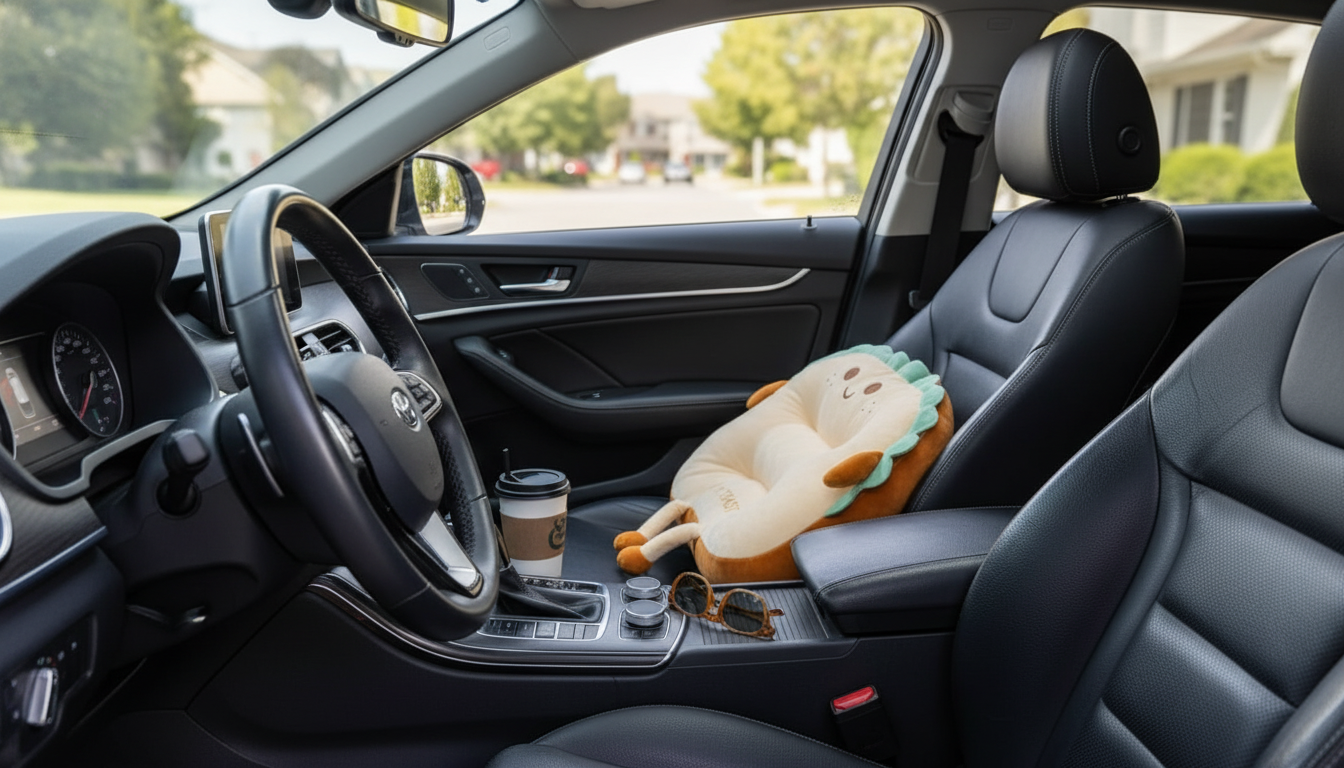
Soft Plush Car Seat Cushion for Toyota, Ford, Honda: Cozy Comfort for Daily Drives
A plush seat cushion can make commutes, school drop-offs, and weekend road trips feel noticeably more comfortable—especially when seats run firm, get chilly in winter, or feel sticky in summer. This soft plush car seat cushion is designed as an easy interior upgrade for Toyota, Ford, and Honda vehicles, adding a warmer, gentler surface while helping protect the original upholstery from everyday wear.
What a plush seat cushion changes in real-world driving
Small comfort upgrades tend to matter most when you’re driving every day. A plush cushion adds a softer contact layer that can reduce that “hard seat” feeling during longer drives, stop-and-go traffic, or back-to-back errands. It can also buffer temperature swings: plush surfaces typically feel less harsh than leather or cold fabric on winter mornings, and they can feel less sticky than some synthetic materials in hot weather.
Beyond comfort, a cushion can make the seat look and feel cleaner. That’s useful after workouts, grocery runs, beach days, or kid-related messes, when you’d rather not grind crumbs or dust into the factory upholstery. If your seats are showing age, a single cushion can refresh the look without committing to a full cover set or reupholstery.
Fit and placement for Toyota, Ford, and Honda seats
To get a stable, comfortable feel, placement matters as much as the cushion itself. Start by positioning the cushion so it sits flat on the seat base, with edges aligned to avoid bunching under the thighs. On bucket seats, centering the cushion helps keep side bolsters usable and maintains a stable seating position. For bench seats, it usually works best to place cushions per seating position rather than spanning multiple spots, which can increase shifting.
If your vehicle has seat warmers, keep the cushion evenly laid so heat can transfer more consistently through the plush layer. You may still notice slightly reduced intensity compared to direct contact, but a flat, smooth placement typically feels more even.
Quick fit check and where it tends to work best
| Seat type | Best placement | Common benefit | Tip to prevent shifting |
|---|---|---|---|
| Front bucket seat | Centered on seat base | Everyday comfort + upholstery protection | Smooth the cushion from back to front before sitting |
| Rear outboard seat | Aligned with seatbelt buckle area | Kid-friendly softness + easier cleanup | Keep edges clear of buckle and latch points |
| Bench seat (middle) | Centered and flattened | Added padding for occasional passengers | Avoid placing over seat belt anchors |
Comfort details that matter on longer rides
On a quick drive across town, almost any cushion feels “fine.” The difference shows up over time—especially on longer highway stretches or multi-stop days. A plush texture creates a gentler surface that can feel more comfortable against shorts, leggings, or sensitive skin. The cushioning effect adds a small buffer that may help reduce pressure points when you’re seated for extended periods.
Another underrated benefit is reducing friction noise. Leather-on-clothing movement can sometimes squeak, especially with frequent shifting in the seat. A soft top layer can help dampen that. Finally, daily usability matters: a cushion that’s quick to place and remove is more likely to be used consistently (and cleaned more often), which keeps the car feeling fresher.
Keeping seats looking new: protection benefits
Comfort is only half the value—protecting what’s underneath is the other half. A seat base takes constant contact, which often leads to visible wear on the driver’s seat edge and the “slide-in” area. A cushion can reduce abrasion in those high-contact zones, helping keep the upholstery looking newer for longer.
Installation and daily use tips
If you’re using child seats, follow the child seat manufacturer’s directions and keep the child seat installed directly against the vehicle seat as required. Avoid adding layers that could affect stability or belt routing. For additional guidance on correct child passenger safety practices, consult NHTSA Child Passenger Safety and the CDC child passenger safety resources.
Care and cleaning for plush materials
Who this cushion is ideal for
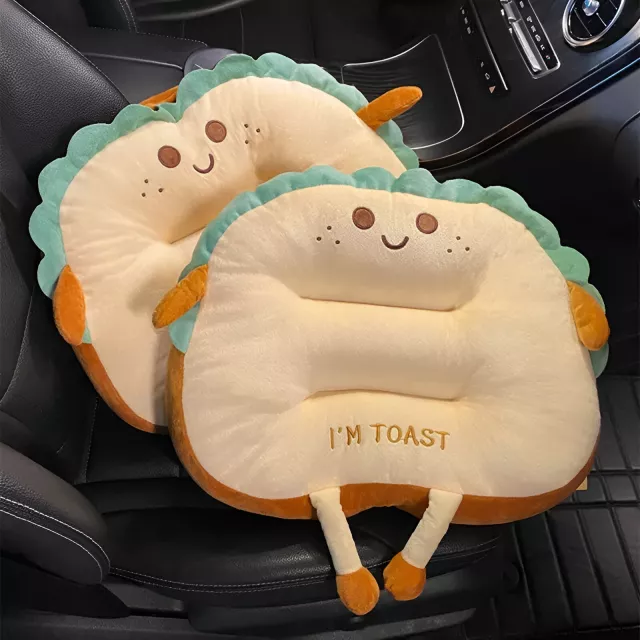
Product spotlight: Soft Plush Car Seat Cushion for Toyota, Ford, Honda
If you’re ready to make everyday driving feel cozier, the Soft Plush Car Seat Cushion for Toyota, Ford, Honda adds a plush layer between you and the seat surface for daily comfort. It’s designed for convenient placement on common Toyota, Ford, and Honda seat styles without making a permanent change to your interior.
Pair it with other comfort-friendly picks
- Portable Eye Massager for post-drive relaxation after long screen days or extended travel.
- 13-Color RGB LED Night Light for Kids to make bedtime calmer on overnight trips or to add a soft glow in a child’s room at your destination.
FAQ
Will a plush seat cushion fit most Toyota, Ford, and Honda models?
It’s intended to work with many common seat bases found across Toyota, Ford, and Honda vehicles. For best results, check whether your seat is a bucket or bench style, measure the seat base area, and confirm the cushion won’t obstruct buckles, anchors, or seat controls.
Can a seat cushion be used with heated seats?
Many drivers place a cushion over heated seats, but heat transfer may feel slightly reduced compared to sitting directly on the upholstery. Keep the cushion flat (no folds or bunching) so warmth distributes more evenly, and adjust heat settings for comfort.
How do you keep a seat cushion from sliding around?
Start with a clean seat surface, then center the cushion and smooth it flat from back to front before sitting. Reposition as needed after getting in and out, and minimize bunching at the front edge to improve stability during braking and turns.















Leave a comment