


Sleeveless Vest for Hairless Cats: Warm, Easy Movement
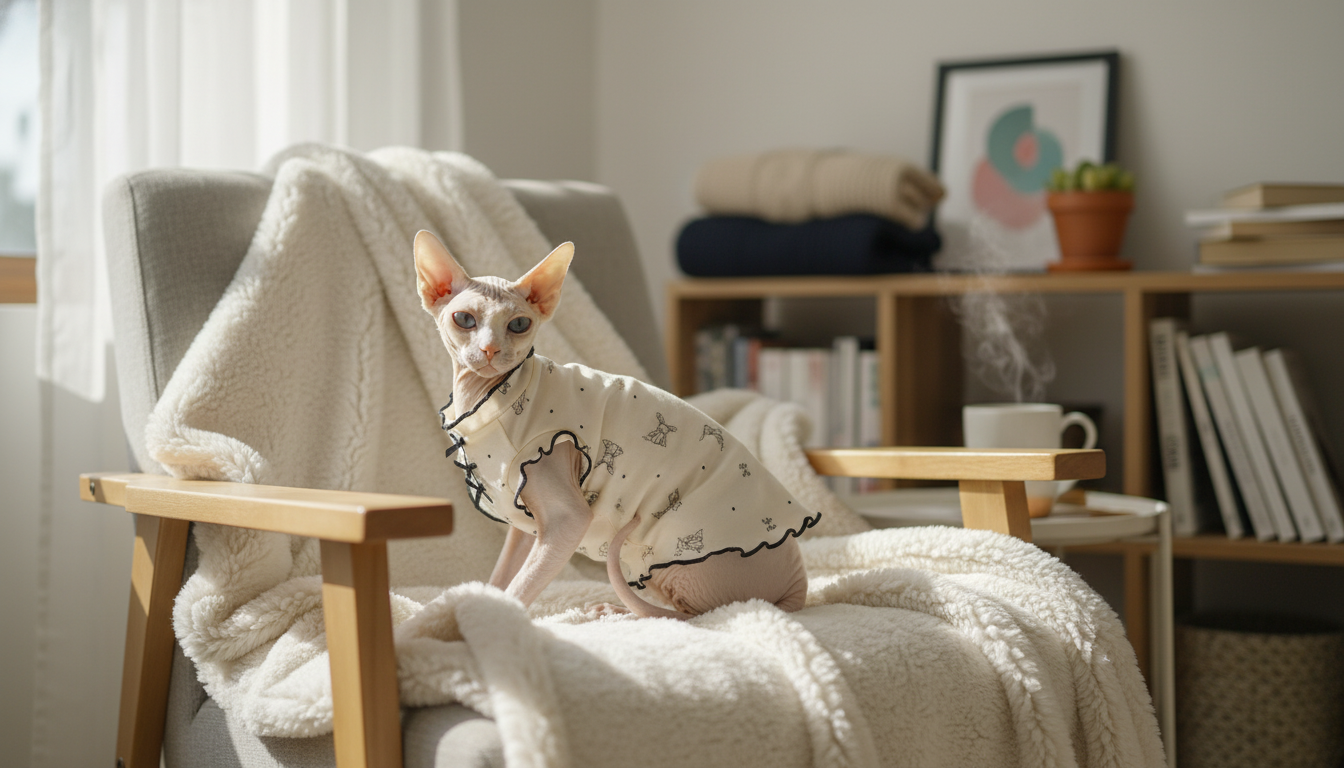
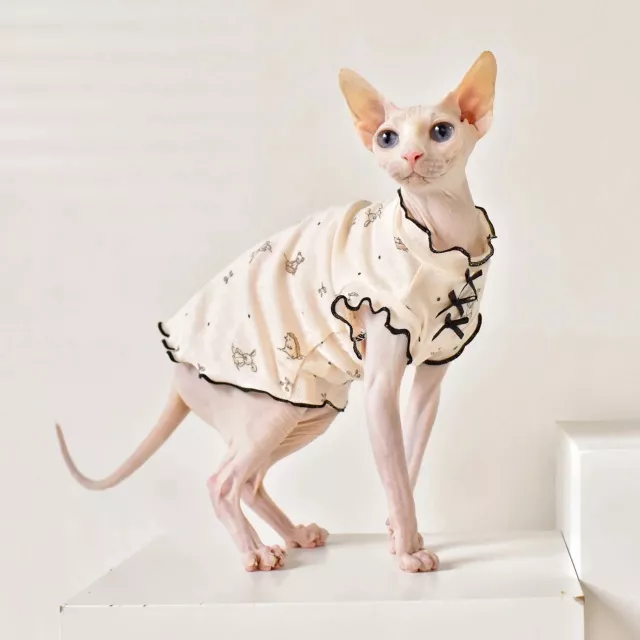
Stylish Sleeveless Vest for Hairless Cats: Warmth Without the Wiggle Restriction
Hairless cats lose the natural insulation that fur provides, so staying warm indoors and during quick trips outside can take a little planning. A sleeveless vest is a practical option because it covers the core without restricting the shoulders, letting cats move, stretch, and play comfortably. This guide explains when a vest helps most, what to look for in a good fit, and how to keep your cat comfortable and safe while wearing it.
Why Hairless Cats Benefit From a Sleeveless Vest
Hairless breeds (and very short-coated cats) can feel chilly faster than their fluffy counterparts, especially in air-conditioned homes or near drafts. A sleeveless vest focuses on warmth and comfort where it matters most—without turning everyday movement into a struggle.
- Core warmth without bulk: Torso coverage helps reduce chilling in cool rooms, near windows, or in drafty hallways.
- Freedom of movement: Sleeveless arm openings reduce rubbing around the shoulders and armpits—common irritation spots for sensitive skin.
- Skin protection: A light layer can help prevent minor scratches from household surfaces and limit direct sun exposure during short, supervised outings.
- Everyday comfort: Some cats settle more easily in new situations (like car rides) with a soft, snug layer—introduced gradually and positively.
Warmth is helpful, but it should never come at the expense of safety. Watch for signs of overheating and stress, and use veterinarian-backed guidance for hot and cold conditions (see: Cornell Feline Health Center and the AVMA).
Product Overview: Stylish Sleeveless Vest for Hairless Cats
If you’re looking for an easy, low-fuss way to add warmth, the Stylish Sleeveless Vest for Hairless Cats is designed with hairless breeds in mind. The sleeveless cut supports natural gait and jumping while keeping the chest and belly covered—ideal for temperature swings at home or quick, supervised outdoor moments.
- Designed for hairless breeds and other short-coated cats that need a little extra warmth.
- Sleeveless cut supports natural movement while covering the core.
- Lightweight layering piece for cool mornings, evenings, and air-conditioned rooms.
- Budget-friendly option for cats that are new to wearing outfits.
- In stock at $14.97 USD.
Quick Details
| Item | Details |
|---|---|
| Product | Stylish Sleeveless Vest for Hairless Cats |
| Price | $14.97 USD |
| Availability | In stock |
| Category | Apparel & Accessories |
Fit and Comfort Checklist
For hairless cats, fit isn’t just about cuteness—it’s about preventing rubbing and keeping breathing and movement totally normal. Before ordering, measure carefully and plan for short, positive trial runs.
- Measure before buying: Focus on chest girth (widest part behind the front legs) and back length (base of neck to base of tail).
- Aim for “snug, not tight”: The vest should lie flat without digging in; breathing should look effortless.
- Check movement: Your cat should be able to walk, run, stretch, and use the litter box without the vest shifting or twisting.
- Watch the neckline and arm openings: These spots rub first. Look for smooth edges and a stable fit that doesn’t slide into the armpits.
- Start with short sessions: Begin with 5–10 minutes, reward calm behavior, and increase time gradually.
At-Home Fit Test (After Putting the Vest On)
| What to Check | Good Sign | Fix If Not |
|---|---|---|
| Breathing | Normal, calm breaths | Loosen sizing; remove if rapid or labored breathing continues |
| Shoulder movement | Full stride, no limping or freezing | Adjust placement; try a different size/cut |
| Skin contact points | No redness after 10–15 minutes | Reduce wear time; add a softer underlayer; discontinue if irritation persists |
| Stability | Doesn’t rotate or slide sideways | Refit and ensure chest area is properly centered |
| Litter box use | Uses normally without hesitation | Check belly coverage and opening placement |
When to Use a Vest (and When to Skip It)
A vest can be a smart, simple tool—but it’s not meant for every situation. Use it strategically, supervise early wear, and remove it at the first sign that your cat isn’t comfortable.
- Helpful times: Cool indoor temperatures, post-bath chill, travel in a carrier, short supervised outdoor time, or when your cat constantly seeks warm spots.
- Skip or remove if: Panting, restlessness, overheating, visible discomfort, persistent attempts to escape the clothing, or any skin irritation.
- Avoid long unsupervised wear for new clothing users: Monitoring prevents snagging and helps you catch early rubbing before it becomes a sore spot.
- Sun safety note: A vest may cover some skin, but it doesn’t replace shade and supervision outdoors.
For cold-weather basics and outdoor safety, follow trusted guidance like the ASPCA cold weather animal safety tips.
Care and Skin-Friendly Wear Tips
Hairless skin can be more prone to oil buildup and irritation, so clothing hygiene matters. Think “clean fabric, short sessions, and frequent checks.”
Styling Ideas That Stay Practical
For a softer nighttime setup that helps humans navigate without flipping on bright overhead lights, a gentle room light can make bedtime routines calmer. The 13-Color RGB LED Night Light for Kids is an in-stock option for creating a low-glare corner near your cat’s bed (placed safely out of reach and away from cords).
FAQ
Can hairless cats wear clothes all day?
All-day wear is usually not ideal, especially for cats new to clothing. Keep wear supervised and time-limited, and remove the vest if you notice overheating, stress, or any skin irritation.
How do sizing measurements work for a sleeveless cat vest?
Use chest girth and back length as the main measurements. The vest should feel snug but not restrictive, allow full shoulder movement, and stay centered without twisting.
What should be done if the vest causes redness or rubbing?
Remove the vest right away and check fit and seam areas. Reduce wear time and discontinue use if irritation persists; if the skin looks broken or painful, consult a veterinarian.















Leave a comment