


Guide to Smart Kitchen Appliances for Easy Meals
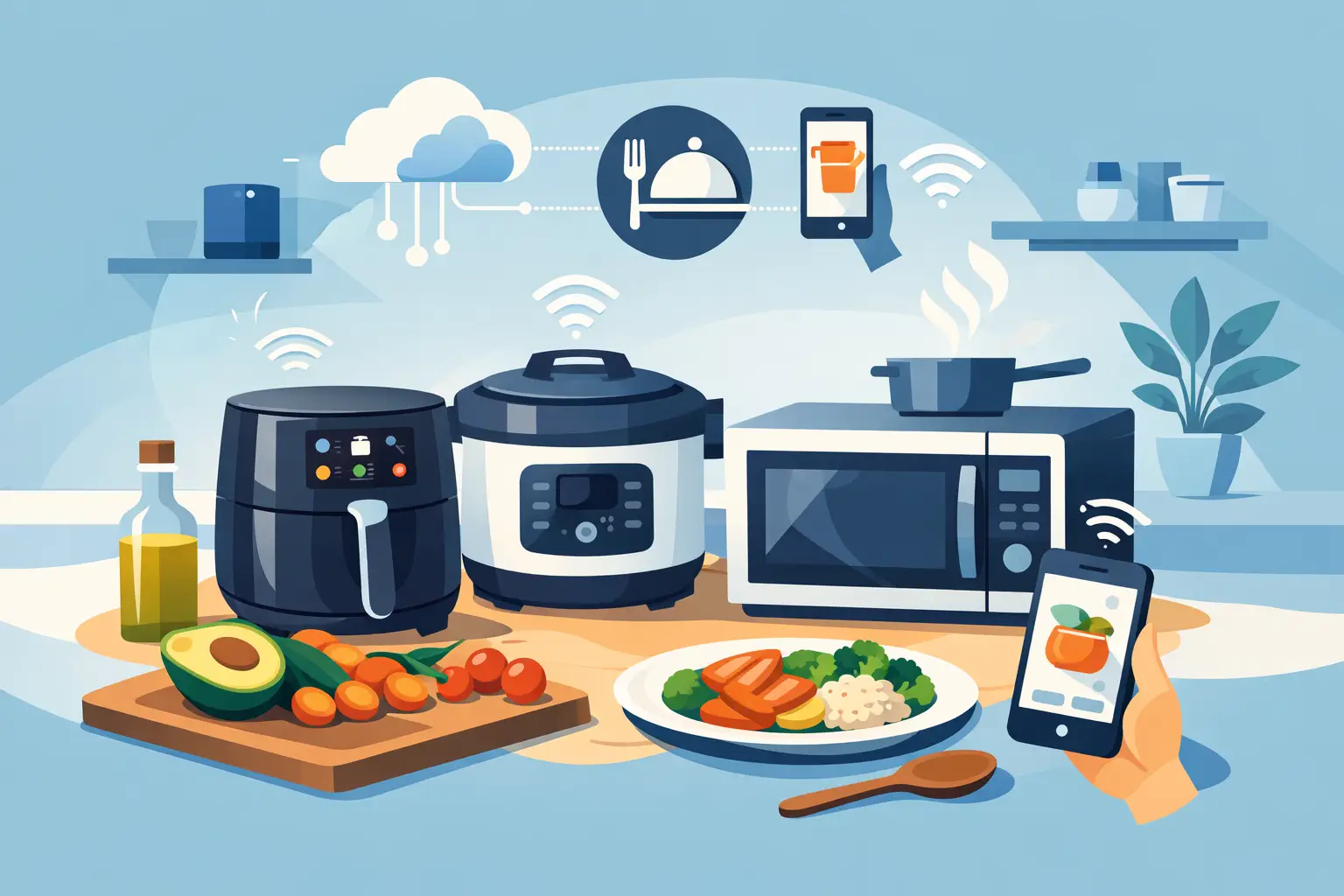
The best smart kitchen purchase is rarely the flashiest one. It is the appliance that saves you 15 minutes on a rushed weekday, prevents a forgotten dinner from overcooking, or takes one repetitive task off your hands. This guide to smart kitchen appliances focuses on practical features, realistic buying decisions, and the devices that can make everyday cooking feel easier.
Smart does not have to mean complicated. For most households, the value comes from simple controls, useful alerts, reliable settings, and the ability to fit an appliance into the way you already cook. Whether you are stocking a first apartment, refreshing a family kitchen, or looking for a thoughtful household upgrade, it pays to choose features you will actually use.
What Makes a Kitchen Appliance Smart?
A smart kitchen appliance connects to an app, voice assistant, home network, or sensor-based system that adds control beyond standard buttons and dials. That might mean starting a coffee maker from your phone, checking a meat probe’s temperature without opening the oven, or receiving an alert when a dishwasher cycle is finished.
The connection itself is not the benefit. Convenience is. A smart feature earns its place when it helps you monitor food, reduce guesswork, save energy, or keep your routine moving. Some appliances also offer recipe guidance, automatic adjustments, maintenance reminders, and downloadable cooking programs.
Before paying more for connected features, ask a straightforward question: would this make a task easier in your home? If the answer is no, a dependable standard appliance may offer better value.
Start With the Kitchen Problems You Want to Solve
Smart appliances come in many categories, but buying by category alone can lead to clutter and unused gadgets. Start with the moments that frustrate you most.
If mornings are hectic, a programmable coffee maker, smart kettle, or connected toaster oven may be more useful than a large countertop device. If dinner timing is the challenge, consider a smart multicooker, air fryer, slow cooker, or food thermometer. For households that cook often, smart scales and precision cooking tools can improve consistency without requiring professional-level skills.
Storage matters, too. A compact apartment kitchen may benefit from one versatile countertop appliance instead of several single-purpose products. A larger household may get more value from a connected dishwasher or refrigerator that supports planning, notifications, and better food management.
It also depends on who will use the appliance. A device with many app settings can be helpful for someone who enjoys experimenting with recipes, while a busy family may prefer large controls, clear presets, and a dependable manual mode.
Smart Cooking Appliances Worth Considering
Smart air fryers and toaster ovens
These appliances are popular because they handle daily jobs quickly. App-connected models may provide remote monitoring, cooking notifications, temperature controls, and preset programs for common foods. Some pair recipes with guided instructions, which can be useful when trying new meals.
Look beyond the app and check the basics: capacity, interior dimensions, cleaning requirements, temperature range, and counter clearance. A smart air fryer is less helpful if it cannot hold the portions your household needs or if it takes too much space to store.
Multicookers and slow cookers
Smart multicookers can combine pressure cooking, rice cooking, steaming, sautéing, and slow cooking in one unit. Connected controls may let you check progress, adjust timing, or keep food warm from another room. This is especially practical for meal prep and hands-off dinners.
The trade-off is that more functions can mean a steeper learning curve. Choose a model with straightforward presets and a clear display if you want convenience rather than another device that requires a manual every time you use it.
Smart coffee makers and kettles
Coffee makers are one of the easiest ways to add a useful routine-based smart appliance. Scheduling a brew before your alarm, adjusting brew strength, and receiving water or cleaning reminders can make mornings more predictable. Smart kettles can heat water to a specific temperature for tea, pour-over coffee, or instant meals.
Pay attention to safety features. Automatic shutoff, boil-dry protection, and an easy-to-clean water reservoir matter as much as phone controls. For many shoppers, a reliable timer and strong thermal carafe are more valuable than a long list of app options.
Smart food thermometers and precision cookers
Wireless thermometers are a practical upgrade for grilling, roasting, and smoking. They monitor internal food temperature and can send alerts when meat reaches its target range. That means less opening of the oven or grill, fewer dry cuts, and more confidence when cooking for guests.
Precision cookers, often used for water-bath cooking, offer tightly controlled temperatures for proteins, eggs, and vegetables. They are ideal for shoppers who enjoy experimenting, but they are not essential for every kitchen. Consider one if consistent results matter more to you than fast, simple cooking.
A Guide to Smart Kitchen Appliances: Features That Matter
The most useful features are often the least dramatic. Remote monitoring can be worthwhile for a slow cooker or oven, while remote starting may be limited by safety settings. Notifications are helpful if they are specific and easy to manage. A message that food is ready is useful; a stream of unnecessary alerts is not.
Compatibility is another key consideration. If you already use a voice assistant or smart home platform, check whether the appliance works with it. However, do not make compatibility your only deciding factor. A well-designed appliance should still work comfortably from its built-in controls if Wi-Fi is down, an app changes, or another family member does not use the app.
Also check whether core functions require an account, subscription, or ongoing internet connection. Recipe libraries and premium programs can be nice extras, but the appliance should perform its primary job without creating a recurring expense or a complicated setup process.
Check Capacity, Cleanup, and Counter Space
Product photos can make appliances look smaller than they are. Measure the available countertop, cabinet, and outlet space before ordering. Remember to leave room for opening doors, lifting lids, removing baskets, and allowing heat to circulate around the unit.
Capacity should reflect your normal routine, not only special occasions. A two-person household may prefer a compact model that heats quickly and is easy to clean. Families preparing larger batches may need more basket space, a larger cooking pot, or a dishwasher with flexible racks and adjustable zones.
Cleanup often determines whether an appliance becomes a favorite. Removable dishwasher-safe parts, nonstick surfaces, accessible corners, and simple filter maintenance can make a bigger difference than an extra cooking mode. Read the care requirements before you buy, especially for appliances with sensors, probes, or built-in water systems.
Think About Privacy and Long-Term Use
Connected appliances collect varying amounts of information, from basic usage data to account details and voice-assistant settings. Review the privacy controls and choose strong, unique passwords for appliance apps. Keep your home Wi-Fi network protected and install firmware updates when they are available.
Long-term value also matters. A low-priced smart appliance is not a deal if replacement parts are hard to find or the app becomes difficult to use after an update. Favor products with clear warranty coverage, accessible support, and useful functions that do not depend entirely on a proprietary app.
This does not mean avoiding smart features. It means treating them as part of the product, just like size, materials, and performance. The goal is an appliance that stays useful after the novelty wears off.
Shop for Value Instead of Every Feature
You do not need a fully connected kitchen to make cooking more convenient. One or two well-chosen appliances can have a noticeable impact on meal prep, cleanup, and daily routines. Set a budget, identify the main job you want each appliance to handle, and compare the practical features first.
Value-aware shoppers should also look for versatile products that replace multiple tools. A countertop oven with air frying and baking functions, for example, may reduce the need for separate appliances. A smart multicooker can support weeknight meals, batch cooking, and side dishes in one footprint.
When browsing a broad selection of home and kitchen products at Vespena, compare dimensions, capacities, included accessories, and care instructions alongside price. Fast shipping and a straightforward ordering experience are helpful, but choosing the right appliance for your actual kitchen is what makes the purchase worthwhile.
The right smart kitchen appliance should fade into your routine in the best way: it heats, cooks, alerts, or cleans when you need it, then leaves you with more time for the meal and the people around it.













Leave a comment