


How to Organize Small Apartments Without Clutter
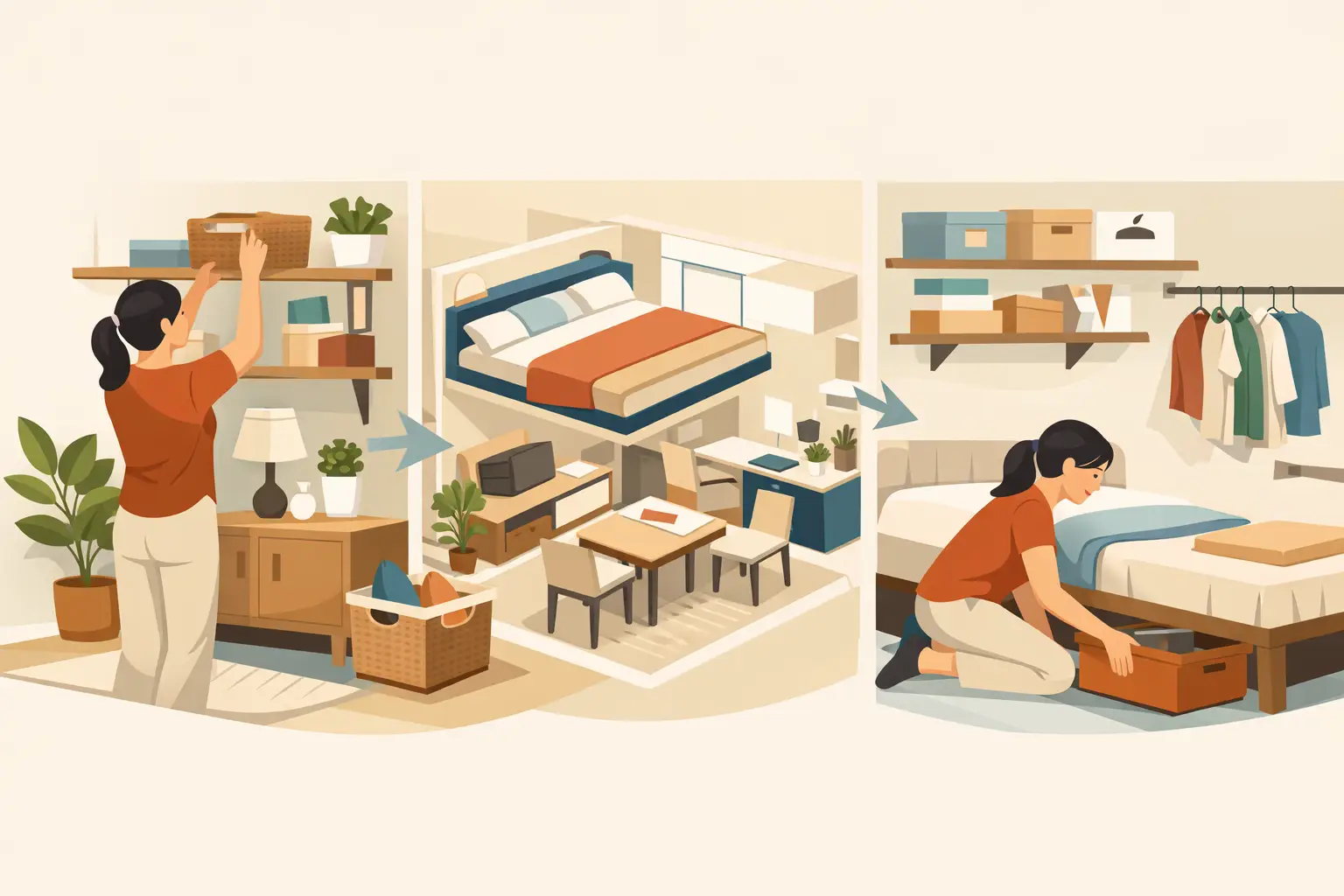
A small apartment can feel crowded long before it is actually full. The problem is usually not square footage alone – it is giving every item a home, keeping clear pathways, and choosing furnishings that earn their place. Learning how to organize small apartments starts with a simple shift: treat each room as a hardworking space, not a storage catchall.
You do not need to live with bare shelves or hide everything away to make a compact home feel comfortable. The goal is to keep the things you use easy to reach, make less-used items easy to store, and stop clutter from taking over the surfaces that should help your day run smoothly.
Start With What Your Apartment Needs to Do
Before buying bins, shelves, or furniture, look at how you actually use the apartment. A studio may need to work as a bedroom, office, dining area, and living room. A one-bedroom might need extra storage for seasonal clothing, fitness gear, pet supplies, or hobby materials.
Write down the daily activities that happen in each area. Then identify the items those activities require. If you work from the kitchen table, for example, your laptop, chargers, notebooks, and headphones need a simple home nearby. If they end up living on the table all week, the issue is not a lack of discipline. It is a lack of storage that fits your routine.
Give every zone one primary job whenever possible. Your entry should support arriving and leaving. Your bedroom should support rest and dressing. Your living room can do double duty, but it still benefits from defined spots for relaxing, working, and storing entertainment essentials. Clear roles make it easier to see what does not belong.
How to Organize Small Apartments by Zone
Organizing room by room can feel slower than tackling everything at once, but it prevents a common mistake: moving clutter from one corner to another. Finish one useful zone before opening the next cabinet or closet.
Make the Entry Earn Its Space
Even a narrow entry can prevent a lot of apartment-wide clutter. Create a landing spot for keys, mail, bags, shoes, and outerwear. A wall hook, slim shoe rack, small tray, or narrow storage bench can make a major difference without blocking the walkway.
Keep only current-season items here. Four bulky coats and several pairs of shoes can overwhelm a tiny entrance fast. Store the rest elsewhere and leave enough open floor space to make coming home feel easy rather than cramped.
Use the Living Room for Hidden Storage
The living room often collects blankets, remotes, chargers, books, pet toys, and the items that have no obvious home. Start with furniture that contains storage, such as an ottoman with a lift-top compartment, a coffee table with drawers, or a media console with closed cabinets.
Closed storage is useful when you want a calmer look, while open shelves are better for frequently used books or display pieces. The trade-off is that open shelving needs regular editing. If everything is visible, use matching baskets or bins to group smaller items and reduce visual noise.
Choose one surface that stays mostly clear. A coffee table, side table, or console can serve as the visual reset point for the room. When that surface starts filling up, it is a signal that something needs a more permanent home.
Make the Bedroom Storage Work Vertically
Bedrooms tend to become storage rooms because clothing, linens, and personal items need a place to go. Begin with the closet. Add a second hanging rod if the space allows, use shelf dividers to prevent stacked clothes from collapsing, and store rarely worn items on the highest shelf.
Under-bed storage is especially valuable in small apartments. Low-profile containers are ideal for off-season clothing, spare bedding, and extra towels. Choose containers with lids if dust is a concern, and label them so you do not have to pull out every box to find one sweater.
A bedside table with a drawer or shelf can also cut down on visible clutter. Keep only bedtime essentials there, such as a book, glasses, a charging cable, or hand cream. The bedroom feels larger when the floor and nightstand are not doing all the storage work.
Set Up a Kitchen With a Clear System
Small kitchens become frustrating when cabinets hold duplicate tools, expired food, and cookware that is difficult to reach. Start by grouping items by use: daily dishes, cooking tools, baking supplies, pantry staples, and food containers. Store the most-used items at eye level or in the easiest drawers.
Use cabinet doors, drawer organizers, shelf risers, and stackable containers to make the most of limited square footage. Vertical storage helps, but do not add organizers just to fill every inch. A cabinet packed too tightly is still hard to use.
Keep countertop appliances to the ones you use several times a week. A clear section of counter makes meal prep easier and gives the whole kitchen a cleaner appearance. If an appliance is worth keeping but rarely used, place it in a higher cabinet or another storage area.
Turn the Bathroom Into a Repeatable Routine
Bathrooms are small, but they hold many small items. Group toiletries by routine: morning, shower, hair care, skincare, and first aid. Small bins under the sink keep categories separate and make cleaning faster.
Use vertical space for towels and backup supplies. Wall-mounted racks, over-the-door organizers, and narrow shelving can create storage where a bulky cabinet will not fit. Avoid stocking several open bottles of the same product. One in use and one backup is usually enough for a small household.
Choose Furniture That Does More Than One Job
In a compact home, large single-purpose furniture can cost you valuable storage and flexibility. Look for pieces that solve at least two needs. A storage bench offers seating and a place for linens. A drop-leaf table can support dinner or remote work, then fold down when you need more floor space. Nesting tables provide extra surfaces only when guests are over.
Measure carefully before ordering anything. A useful piece that blocks a doorway, prevents a drawer from opening, or makes it hard to walk around the bed is not a good deal. Leave room for doors, cabinet fronts, and the path you naturally take through a room.
For renters, freestanding storage is often the practical choice because it moves with you. Tall bookcases, rolling carts, garment racks, and modular drawer units can add function without permanent installation. When shopping for home organization basics, Vespena can be a convenient place to compare storage-friendly options alongside other everyday apartment needs.
Edit Before You Buy More Storage
Storage products are helpful, but they cannot solve an overflow of things you do not use. Before adding containers, sort items into keep, donate, sell, recycle, and discard categories. Be honest about duplicates, damaged goods, impulse purchases, and items you are keeping only out of guilt.
This does not mean every apartment needs a minimalist look. Collections, hobbies, and sentimental items can absolutely have a place. The key is giving them a defined limit. One display shelf for collectibles or one labeled bin for keepsakes is easier to enjoy than having meaningful items scattered throughout the home.
Use the one-in, one-out approach for categories that grow quickly, such as clothing, mugs, beauty products, and decor. It is not a strict rule for every purchase, but it creates a useful pause before new items enter a limited space.
Build a Five-Minute Reset Into Your Day
The best small-apartment organization systems are easy to maintain. A complicated setup may look great on day one, then fall apart when you are busy. Build a short reset into your evening routine: return items to their zones, clear the kitchen counter, put away clothing, and place bags or shoes back at the entry.
Once a week, deal with mail, empty delivery boxes, check the refrigerator, and return stray items to their proper rooms. These small habits stop clutter from turning into a weekend-long project.
Your apartment does not need more stuff to feel better organized. It needs a few smart storage choices, clear zones, and routines that fit real life. When every item has a practical place, even a modest home can feel open, useful, and ready for whatever your day brings.










Leave a comment