


How to Style Outdoor Spaces for Everyday Living
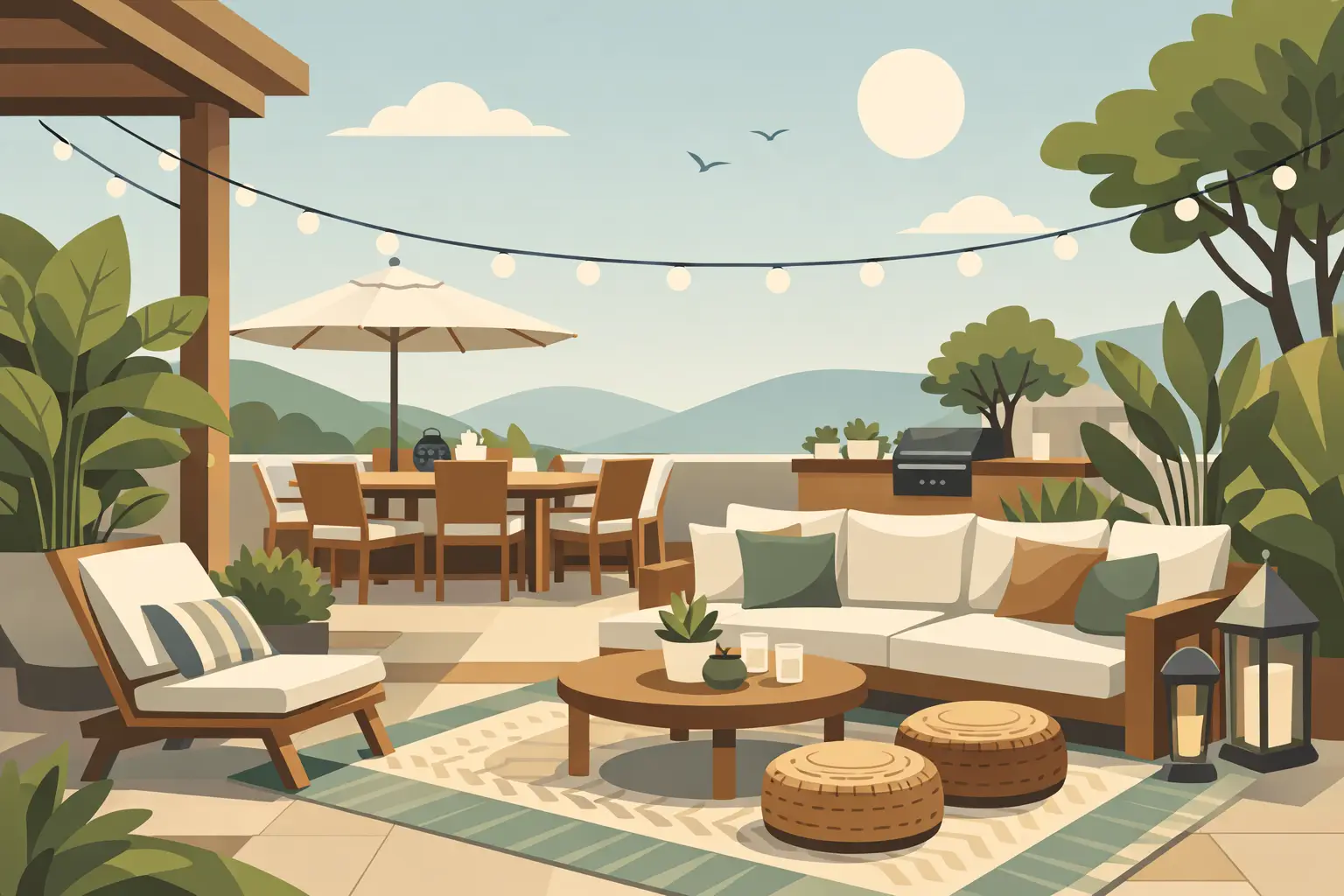
A patio with two mismatched chairs can still become the place everyone gathers after dinner. The difference is not a designer-sized budget. It is knowing how to style outdoor spaces around the way you actually relax, eat, host, and move through them. Start with comfort and function, then add color, texture, and lighting that make stepping outside feel like a real change of scene.
Start With the Way You Will Use the Space
Before choosing a rug, planter, or string lights, decide what the area needs to do. A small apartment balcony may need to handle morning coffee, a few herbs, and a quiet evening seat. A backyard deck may need room for family meals, weekend guests, and storage for cushions or kids’ outdoor items. Trying to make every outdoor area do everything usually leads to crowded furniture and unused decor.
Pick one primary purpose and one secondary purpose. For example, a compact patio can be a dining area first and a lounge area second. That decision tells you whether a table deserves the center spot or whether comfortable seating should take priority. Leave clear walking paths, especially around doors, grills, and steps. A stylish setup that is hard to navigate will not feel relaxing for long.
Measure before you shop. Include the usable floor area, door swing, railing clearance, and any spots that hold water after rain. For balconies, check building rules and weight limits before adding large planters, privacy screens, or heavy furniture. These quick checks make it easier to choose pieces that fit the space rather than forcing a crowded layout later.
Build the Layout With Comfortable Anchors
Outdoor furniture sets the tone, but matching every piece is not required. A coordinated look comes from repeating materials, colors, or shapes. Pair a wood-look dining table with neutral chairs, for instance, then bring the same warm tone into a planter or serving tray. If you prefer a clean, modern look, use black metal frames and simple cushions in two or three colors.
For a lounge-focused space, begin with seating that encourages people to stay awhile. A loveseat, two deep chairs, or a modular sectional can work depending on the footprint. Add a side table within easy reach for drinks, books, or sunscreen. In a narrow area, folding bistro chairs or stackable seating can deliver flexibility without taking over the floor.
An outdoor rug is often the fastest way to make a patio or deck look intentional. It defines the seating zone and softens hard surfaces such as concrete, tile, or wood. Choose a size that lets at least the front legs of chairs or a sofa sit on the rug. A rug that is too small can make even good furniture look disconnected.
Do not overlook shade. An umbrella, canopy, pergola cover, or outdoor curtain can make a sunny spot usable through more of the day. The best choice depends on wind exposure, local weather, and whether you need a permanent solution. A freestanding umbrella is easy to reposition, while a mounted shade option can look cleaner but requires more planning.
How to Style Outdoor Spaces With Color and Texture
Think of your outdoor area as a simple color palette, not a collection of unrelated purchases. Start with a neutral base in gray, tan, black, white, or natural wood. Then select one main accent color and one supporting color. Navy and sand feel classic near a pool or coastal-style home; terracotta and olive work beautifully with plants and warm brick; bright blue or yellow can bring energy to a small city balcony.
Use cushions, pillows, throws, table linens, and planters to introduce those accent colors. These are affordable items to switch when seasons change or when you want a new look without replacing furniture. Choose outdoor-rated fabrics where possible. They are made to handle sun exposure, moisture, and everyday messes better than indoor textiles.
Texture keeps neutral outdoor spaces from feeling flat. Mix smooth metal with woven resin, natural-looking wood, ceramic, or weather-resistant rope details. You do not need all of them. Two or three textures are enough to create interest while keeping the space easy to maintain.
A throw blanket can still earn its place outdoors, especially for cool evenings, but store it in a weather-protected bin when not in use. The same goes for decorative pillows without all-weather covers. A few minutes of protection helps seasonal pieces look better longer and reduces replacement costs.
Add Lighting That Works After Sunset
Outdoor lighting should help guests see where they are walking before it tries to create a mood. Check entry steps, pathway edges, changes in elevation, and grilling areas first. Solar path lights, wall fixtures, lanterns, and motion-sensor lights can make these areas safer without making the yard feel overly bright.
Once practical lighting is covered, add warmer layers around seating and dining zones. String lights create an easy overhead glow on a balcony railing, fence, pergola, or covered patio. Battery-operated lanterns work well on tables where cords would be inconvenient. Flameless candles offer a similar warm look for homes with pets, children, or breezy conditions.
Keep the color temperature warm rather than harsh white in spaces meant for relaxing. Place lights at more than one height: overhead for general illumination, table level for intimacy, and ground level for paths. This layered approach looks more polished than relying on a single porch fixture.
Use Plants as Decor, Not an Afterthought
Plants give outdoor areas color, height, and a sense of privacy. They also help soften hard lines from fencing, railings, and patio walls. Choose varieties based on the amount of direct sun the space receives, not just on how they look at the store. A full-sun plant in a shaded balcony or a shade-loving fern on a hot deck can become a frustrating maintenance project.
Group pots in different heights for more impact than scattering single containers around the perimeter. A tall planter can frame a doorway or create a visual screen, while smaller pots look great on a table, shelf, or stair. If maintenance is a concern, choose a few hardy varieties and use larger containers that do not dry out as quickly.
Herbs, compact tomatoes, and peppers are practical choices for people who enjoy cooking. Ornamental grasses and evergreen plants offer structure through changing seasons. Faux greenery can fill a dark corner or add color where live plants are not realistic, though a small amount usually looks more convincing than an entire artificial garden.
Make Room for Hosting and Everyday Convenience
The most inviting outdoor spaces support real life. Add a tray to make carrying drinks easier, a storage bench for cushions and games, or a rolling cart for casual outdoor meals. If you use a grill, create a nearby prep zone with weather-safe shelving or a small table. These details reduce back-and-forth trips inside and help the area work better during busy weekends.
For larger yards, consider creating separate zones rather than one oversized furniture arrangement. A dining table can sit closer to the house, while a pair of lounge chairs or a fire pit area can create a second destination farther out. Repeating your color palette across both zones makes them feel connected.
Vespena makes it easier to bring those finishing details together in one shopping stop, from outdoor home essentials to practical accessories that support busy everyday routines. Focus first on pieces you will use often, then build out the extras as your space and budget allow.
Keep the Look Easy to Maintain
A beautiful outdoor setup should not require a full reset every week. Choose washable covers, wipeable surfaces, and furniture that suits your local climate. In areas with intense sun, fade-resistant materials matter more. In rainy or snowy regions, quick-drying cushions, protective covers, and off-season storage can extend the life of your purchases.
Avoid filling every open area with decor. A little empty space makes a patio, porch, or balcony feel calmer and easier to clean. It also leaves room to adapt when friends visit or when your needs change from season to season.
The best outdoor style is not the one that looks staged for a photo. It is the one that gives you a comfortable reason to step outside more often, whether that means a quiet chair, an easy dinner table, or a well-lit place to catch up at the end of the day.









Leave a comment