


Roof Cargo Box Comparison: Find Your Fit
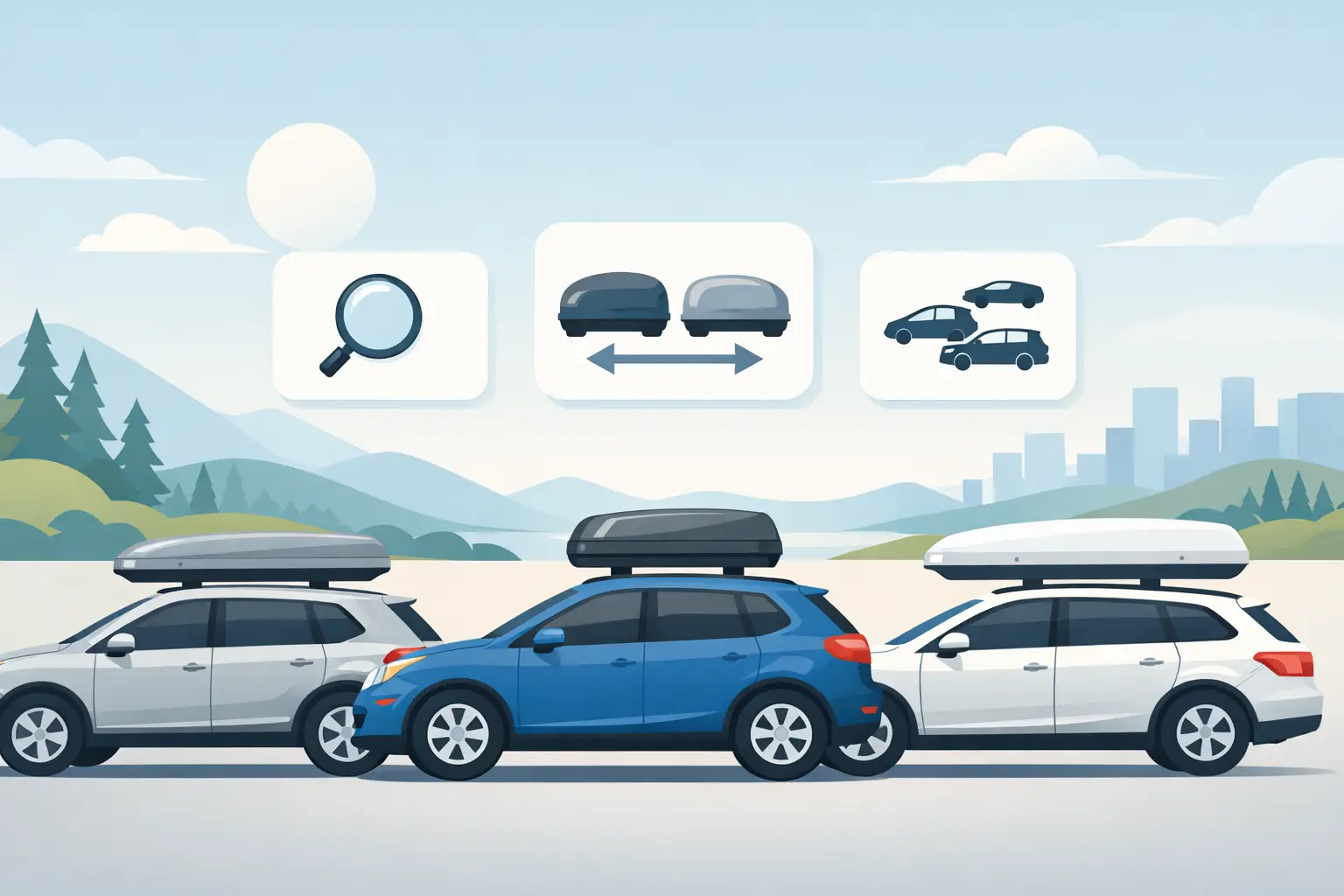
A crowded back seat can turn a simple weekend drive into a long one. A roof cargo box gives jackets, strollers, camping equipment, sports gear, and extra luggage a place to go without asking passengers to travel with bags at their feet. This roof cargo box comparison focuses on the details that make the biggest difference: vehicle fit, usable capacity, access, durability, and the features worth paying for.
The best choice is not always the biggest box on the page. It is the one that fits your vehicle, carries the gear you actually bring, and stays easy to use from the driveway to the destination.
Start With Vehicle Fit and Roof Rack Capacity
Before comparing colors, shapes, or storage volume, confirm that your vehicle is ready for a cargo box. Most boxes mount to crossbars, not directly to a bare roof. If your vehicle has factory roof rails, you may still need compatible crossbars. If it already has crossbars, check their shape, spread, and maximum load rating.
Your roof’s weight limit includes more than the cargo inside the box. Add together the weight of the box, crossbars, mounting hardware, and your packed gear. A large box that looks convenient can be the wrong purchase if it pushes your vehicle beyond its roof-load specification.
Also check the box’s listed crossbar compatibility. Many models are designed for common round, square, aerodynamic, and factory crossbars, but clamp range matters. A quick fit check before ordering helps avoid a box that is too narrow, too wide, or unable to secure properly.
Watch Hatch Clearance and Roof Space
Rear hatch clearance is one of the most overlooked parts of a roof cargo box comparison. On SUVs, wagons, and hatchbacks, an extra-long cargo box may block the liftgate from opening fully. Look for a front-positioned or shorter design if you need clear access to the back of the vehicle during trips.
Sunroofs deserve consideration too. A box can limit sunroof use or create clearance concerns depending on its placement. Measure your available roof space and review the box length before making a final choice. For many drivers, a slightly smaller box with full hatch access is more useful than a larger model that creates daily frustration.
Roof Cargo Box Comparison: Choose the Right Size
Cargo box capacity is usually measured in cubic feet, but that number only tells part of the story. Long, narrow boxes are excellent for skis, snowboards, fishing gear, folding chairs, and longer camping equipment. Wider boxes suit duffel bags, suitcases, family travel supplies, and bulky items that do not need much length.
For a couple taking occasional road trips, a compact or mid-size box can provide enough overflow storage without adding unnecessary height and weight. Families who travel with multiple suitcases, a stroller, or outdoor equipment may appreciate a larger model. If you regularly carry bikes, kayaks, or other roof-mounted equipment, leave room on the crossbars and choose a box width that works with your full setup.
Do not shop by cubic feet alone. Check the interior length, width, and height, then compare those measurements with your real gear. A box may advertise generous capacity but still be too short for your longest item or too shallow for a hard-sided suitcase.
Match the Shape to Your Travel Habits
A low-profile cargo box is often a smart fit for everyday drivers. It can be easier to load, may produce less wind noise, and gives your vehicle a cleaner appearance. The trade-off is reduced vertical room for taller bags and bulky items.
Taller boxes offer more packing flexibility, especially for family vacations and camping trips. They can hold more, but they may be harder to reach on a tall SUV or truck. They also increase the overall height of your vehicle, which matters when entering garages, parking decks, drive-throughs, and car washes.
Measure from the ground to the top of your mounted crossbars, then add the box height. Keep that total handy. A box that works perfectly on the open road can become a problem if it does not clear the parking structure at work or the garage at home.
Access Style Changes Everyday Convenience
Cargo boxes generally open from one side or from both sides. Single-side access can be a value-focused choice, especially if you usually park where the opening side is easy to reach. It keeps the design simple and can meet the needs of occasional travelers.
Dual-side opening costs more in many cases, but it is one of the most convenient upgrades for frequent use. You can load and unload from either side of the vehicle, organize gear without climbing across the roof, and adapt to tight parking spaces. For family trips, that flexibility can make a real difference at hotels, campsites, and rest stops.
Consider how high your roof sits as well. A taller vehicle can make any box harder to reach. A small folding step stool may help, but choose a stable option and avoid leaning on doors, tires, or the cargo box itself. Easy access is not just about loading faster. It helps you pack more carefully and secure items properly.
Compare Materials, Locks, and Mounting Systems
Most roof cargo boxes use durable molded plastic shells designed to handle changing weather and highway conditions. Look for a stiff lid, solid hinges, a secure closing system, and a finish that suits how often the box will stay on your vehicle. Dark finishes can look sharp, while lighter colors may show less dust and heat buildup in sunny conditions.
A lock is standard on many boxes, but not every locking system works the same way. The most useful designs prevent key removal unless the lid is fully closed and latched. That gives you a quick confirmation that the box is secured before you pull away. Locks deter casual access, but they should not replace common-sense packing and parking habits.
Mounting hardware is another major convenience factor. Traditional U-bolt systems can be dependable, though they may take longer to install and adjust. Tool-free clamps, quick-mount knobs, and integrated mounting systems make it easier to move the box between vehicles or remove it after a trip. If you expect to install the box only once or twice a year, a straightforward system may be all you need. If you use it often, faster mounting can be worth the extra cost.
Consider Noise, Fuel Use, and Storage at Home
Any item mounted on the roof affects airflow. A well-shaped cargo box can reduce wind noise compared with soft rooftop bags or irregularly strapped gear, but it will not disappear completely. The impact depends on your vehicle, driving speed, crossbar design, box shape, and how far forward the box sits.
Fuel economy can also drop with a roof box installed, especially on long highway drives. The practical move is to remove the box when you do not need it. This can reduce wind resistance, restore access to lower-clearance spaces, and keep the box cleaner between trips.
Think about off-vehicle storage before buying. Larger boxes can be awkward to carry, and they need a protected place in a garage, shed, or storage area. Wall-mounted storage systems and ceiling hoists can save floor space, while a simple padded corner of the garage may be enough for a compact box. Make sure the box is dry and clean before storing it for the season.
Get More From Every Cubic Foot
Packing technique determines how useful your cargo box feels. Put lighter, softer items near the front and use the center space efficiently. Avoid loose objects that can shift, rattle, or press against the lid. Gear bags and packing cubes help keep small items together, while soft duffels often fit curved box interiors better than rigid luggage.
Do not overload the box, even if everything physically fits. Follow the box’s weight rating and distribute weight evenly. Check that the lid closes without forcing it, secure all latches, and give the box a quick inspection after the first few miles of a trip. A stop to confirm the mounting hardware remains tight is time well spent.
For drivers comparing practical automotive accessories alongside everyday travel essentials, Vespena makes it easier to shop for the gear that helps organize the road ahead. Choose a roof cargo box that fits your vehicle and your routine, then enjoy a cabin with more room for the people you brought along.













Leave a comment