


Seat Cover Transformation Example That Works
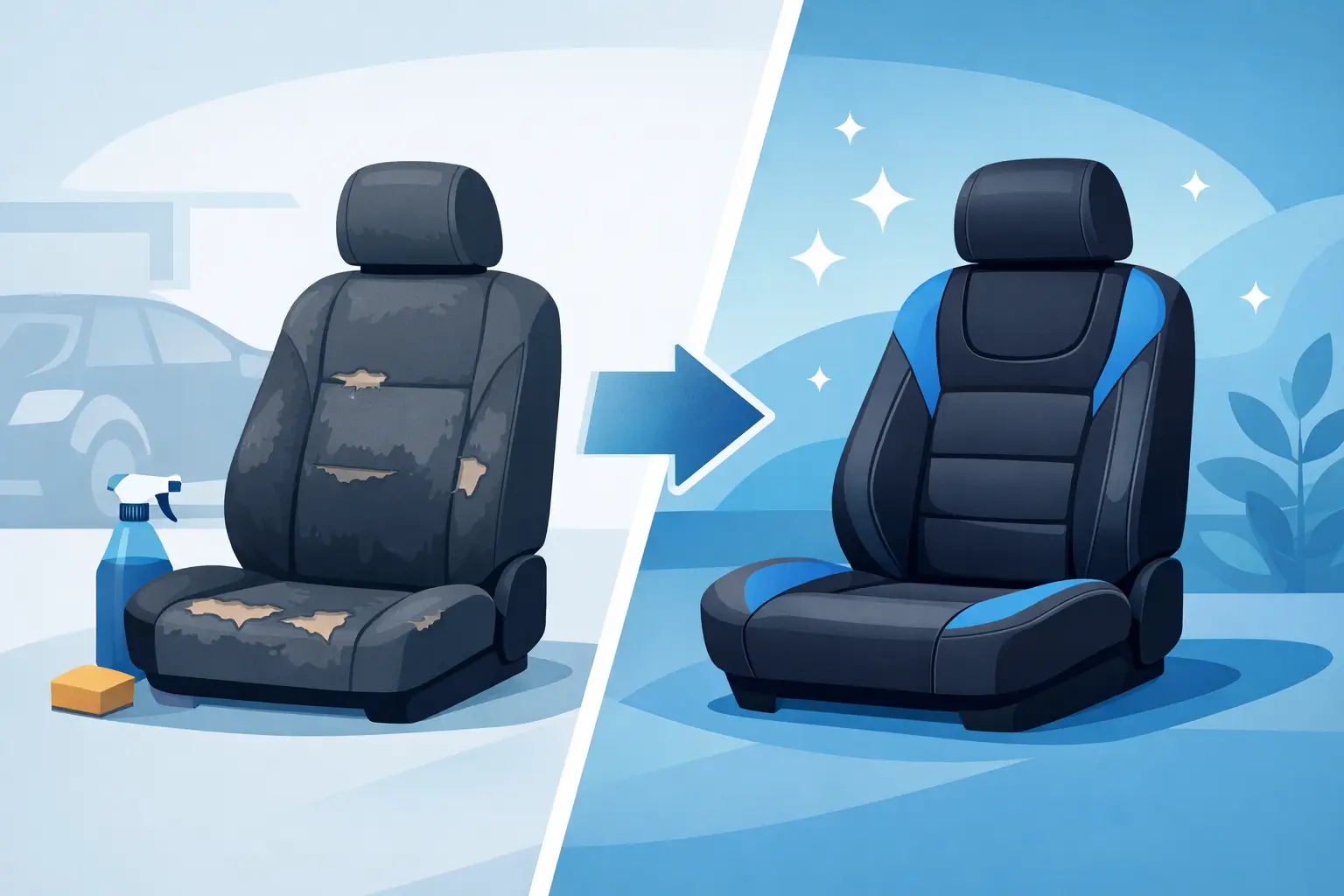
A worn driver seat changes the whole feel of a vehicle. Even if the dash is clean and the exterior still shines, cracked fabric, faded color, or stubborn stains make the cabin look older than it is. A strong seat cover transformation example shows just how quickly that can change, especially when you choose the right material, fit, and finish for the way you actually use your car.
For many drivers, seat covers are not just about looks. They are a practical fix for daily messes, pet hair, sun damage, and normal wear from commuting, road trips, and weekend errands. They can also be a smarter value move than paying for upholstery work, especially if the goal is to make the interior look cleaner, feel more comfortable, and stay protected over time.
What a seat cover transformation example really shows
The best before-and-after result usually starts with a common problem. Think of a midsize SUV with light cloth seats that have picked up years of coffee spills, denim transfer, and flattened padding on the outer edge of the driver seat. Nothing is mechanically wrong with the vehicle, but the interior feels tired.
Now picture that same SUV after a full set of fitted seat covers is installed. The front seats have a cleaner shape, the color is more consistent, and the cabin suddenly looks more intentional. Even if the original upholstery underneath has flaws, the visible result is neat and updated. That is the real value in a seat cover upgrade. It changes what you see and touch every day.
A good transformation is not always dramatic in a luxury sense. Sometimes the win is simply making the vehicle feel cared for again. That matters whether you are driving an older family car, a work truck, or a newer vehicle you want to keep in better condition.
Why seat covers make such a visible difference
Seats take more abuse than most interior surfaces. They deal with body weight, friction, heat, moisture, food, pets, tools, and sunlight. Once the fabric starts looking worn, the rest of the cabin can feel rundown too.
Seat covers solve that problem from two directions. First, they hide existing wear. Second, they help prevent more damage. That combination makes them one of the fastest interior upgrades for drivers who want better appearance without a complicated install.
There is also a styling advantage. A change in texture or color can shift the whole interior mood. Black covers can make a cabin look sharper and easier to maintain. Two-tone options can add contrast. More rugged materials can make a truck or SUV feel more ready for daily use. The change is visual, but it is also practical.
Before: the most common seat problems
Most shoppers are not starting from perfect factory seats. They are dealing with something specific – fading, small tears, old stains, or seats that simply look dated. In family vehicles, crumbs and spills build up fast. In commuter cars, the driver seat usually wears out first. In trucks, work gear and repeated entry and exit can rough up the bolsters and seat base.
If you are shopping after one of these issues shows up, that is normal. Seat covers are often a correction as much as an upgrade.
After: what improves right away
The immediate improvement is appearance, but comfort and cleanup often get better too. Many covers add a smoother or more padded surface. Some materials are easier to wipe down than cloth upholstery. Others are designed to resist moisture or daily abrasion better than the original seats.
That is why a seat cover transformation example often feels bigger than it looks in photos. The interior is not just cleaner. It is easier to live with.
Choosing the right material for your lifestyle
Material choice is where the transformation either works beautifully or feels like a mismatch. There is no one best option for every driver.
Leather-look covers are popular because they create a cleaner, more upscale appearance fast. They are often easier to wipe down, which helps in family vehicles and ride-share cars. The trade-off is that some synthetic finishes can feel warmer in hot weather or firmer than fabric.
Neoprene-style covers tend to appeal to drivers who want something sporty and protective. They are often chosen for active lifestyles, beach use, or vehicles that see frequent spills. The downside is that they may look more utilitarian than refined, depending on the design.
Fabric and mesh-style covers can be a better fit for drivers who care more about breathability and everyday comfort. They usually feel less slippery and more familiar for long commutes. But lighter fabrics may show dirt faster, and some low-cost versions do not create the fitted look people want from a transformation.
For pet owners, parents, and frequent travelers, easy-clean surfaces usually matter more than premium appearance alone. For drivers focused on style, texture and color match may take priority. It depends on whether you want protection first, appearance first, or a solid balance of both.
Fit is the difference between upgraded and temporary
If there is one detail that makes or breaks the result, it is fit. A loose universal cover can protect a seat, but it may not create the polished look most shoppers have in mind. Wrinkles, sliding fabric, and bunching around the headrest can make the interior feel more like a quick fix than an upgrade.
A better seat cover transformation example usually involves a more tailored fit for the vehicle type and seat shape. That means better contour around the backrest, seat base, and headrest openings. It also helps maintain access to practical features like split-fold seats, armrests, and storage pockets where applicable.
This is especially important if you are updating a newer vehicle. Modern cabins have cleaner lines, and bulky or poorly fitted covers stand out fast. On older vehicles, a better fit still matters because it helps the interior look refreshed instead of patched over.
Style choices that actually improve the cabin
The easiest mistake is choosing a design that overreaches. Bright contrast stitching, aggressive patterns, or flashy textures can look fun online, but not every interior benefits from them. In many vehicles, a simple black, gray, tan, or well-matched two-tone setup creates the strongest result.
A practical style choice usually has the longest payoff. Neutral colors hide wear better, work with more interior trims, and feel easier to live with over time. If your goal is resale appeal, a cleaner and more factory-friendly look often works better than something highly customized.
That said, personal style still matters. If you drive a truck, Jeep-style vehicle, or sportier daily driver, a more rugged or performance-inspired cover may fit the overall feel of the vehicle. The key is choosing a look that complements the cabin rather than competing with it.
Installation matters more than many shoppers expect
Even a quality cover can look average if it is installed in a hurry. Pulling straps tight, smoothing the surface, aligning seams, and properly securing anchors all affect the final appearance. This is one reason customer reviews on ease of installation can be useful when comparing options.
The good news is that many seat covers are designed for straightforward at-home installation. For shoppers who want a fast interior refresh without a long project, that convenience is part of the appeal. A solid product should help you get from box to finished look without a lot of frustration.
Retailers with broad automotive selection, including options for different brands and seat styles, make this process easier because you can compare materials, finishes, and fit styles in one place instead of bouncing between specialty stores. For shoppers who value speed and convenience, that matters just as much as the cover itself.
When seat covers are worth it – and when expectations should stay realistic
Seat covers are worth it when the goal is to protect seats, improve appearance, and make the cabin easier to maintain at a reasonable cost. They are especially effective for high-use vehicles, older interiors, family cars, and owners who want a fast visual improvement.
They are not a miracle fix for every issue. If the seat foam is badly collapsed, the frame is damaged, or the upholstery underneath has major structural tears, a cover may improve what you see without fixing how the seat feels. In those cases, the best result may involve both a cover and some seat repair.
That is the trade-off shoppers should keep in mind. Seat covers are one of the easiest interior upgrades available, but the outcome depends on product quality, fit, installation, and the condition of the original seat.
For drivers who want a cleaner, more finished interior without spending a fortune, this is still one of the smartest changes you can make. A good seat cover does not just hide wear. It makes the car feel better every time you open the door, and that is a practical upgrade worth shopping for carefully.












Leave a comment