


Choosing a Tire Inflator for Emergencies
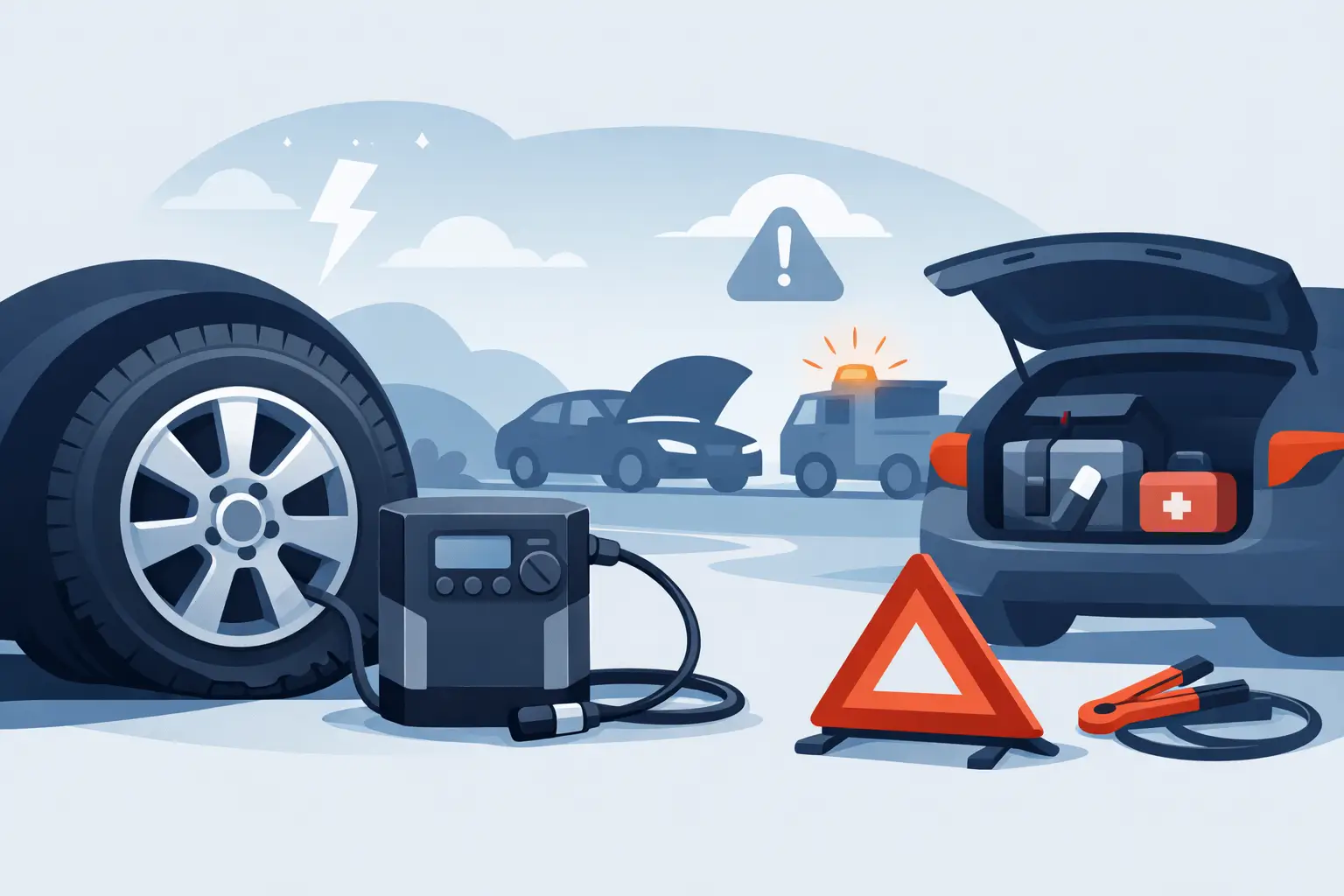
A low-tire-pressure warning can turn a normal commute, school pickup, or weekend drive into an unexpected stop. Keeping a tire inflator for emergencies in your vehicle gives you a practical way to restore pressure when a tire is low, buy time to reach a repair shop, and avoid relying on a gas station air pump at the worst possible moment.
For most drivers, the best choice is not necessarily the largest compressor or the most technical model. It is a portable inflator that fits your vehicle, is simple to operate, and can deliver enough pressure when you need it. The right unit should be easy to store in a trunk or cargo area, quick to connect, and clear enough to use at night or in bad weather.
Why Keep a Tire Inflator for Emergencies?
Tires naturally lose air over time, and temperature changes can make a borderline tire appear suddenly low. A slow leak from a nail, worn valve stem, or damaged wheel can also leave you with a problem far from home. In these situations, a compact inflator can help you add enough air to get safely to a tire professional.
It can also help you stay on top of routine pressure checks. Properly inflated tires support more predictable handling, can reduce uneven tread wear, and help your vehicle operate as intended. That makes an inflator useful well beyond a roadside issue.
A portable unit is especially convenient for drivers who park in apartment lots, travel with children, commute long distances, or take road trips. Instead of searching for a working air station, you have a basic solution within reach. The trade-off is that small portable inflators are designed for convenience, not heavy shop use. They may take several minutes to fill a larger tire and need time to cool between extended uses.
What to Look for Before You Buy
The best tire inflator for emergencies depends on your vehicle and how you plan to use it. A compact sedan, a full-size pickup, and an SUV with larger tires do not have the same air-volume needs. Start with your vehicle’s recommended tire pressure, which is usually listed on the driver’s door jamb. Do not use the maximum PSI printed on the tire sidewall as your everyday target.
Pressure range and inflation speed
Choose an inflator with a maximum PSI that comfortably exceeds your vehicle’s recommended pressure. Many passenger vehicles call for pressure in the 30 to 35 PSI range, but the right setting always comes from the vehicle manufacturer label.
Inflation speed matters, but product claims should be read carefully. A compact compressor may quickly top off a tire that is only a few PSI low, while a tire that is significantly underinflated will take longer. Larger tires found on trucks, SUVs, and some performance vehicles generally require more time and a more capable compressor. If your primary goal is emergency readiness, prioritize reliable operation and correct pressure control over an aggressive speed claim.
Power source that fits your vehicle
Most portable inflators use one of three power options: a 12V vehicle outlet, a rechargeable battery, or a combination of both. A 12V inflator is a dependable choice for roadside use because it can draw power from the vehicle, although the cord length should reach all four tires. Check your owner’s manual for outlet guidance, and keep the vehicle running when the inflator instructions call for it so you do not drain the battery.
Cordless inflators are convenient for quick pressure checks and for vehicles where outlet access is awkward. Their limitation is battery capacity. A fully charged battery may be enough for several top-offs, but it may not be ideal for repeatedly filling a nearly flat truck tire. A dual-power design offers extra flexibility, especially for drivers who want cordless convenience with a backup power option.
Auto shutoff and a readable gauge
Digital pressure gauges and automatic shutoff features make portable inflators easier to use. Set the target PSI, attach the hose, and let the unit stop when it reaches the selected level. This reduces guesswork and helps prevent overinflation.
A backlit display is worth considering if you drive early in the morning, at night, or during winter months. Built-in LED lighting can also be useful, though it should not replace a dedicated flashlight in your emergency kit. For the most accurate reading, check tire pressure when tires are cold whenever possible. If you have been driving, use the manufacturer-recommended cold pressure as your reference and confirm it again later.
Hose length, cord length, and storage
Small details make a major difference on the roadside. A hose should attach securely to the valve stem without forcing you to crouch in an awkward position. A long enough power cord lets you reach rear tires without moving the unit or stretching the cable around the vehicle.
Storage also deserves attention. A compact inflator with a case or built-in cord storage is easier to keep organized. It should fit alongside your spare tire tools, jumper cables, reflective vest, and other essentials without taking over the entire cargo area.
How to Use an Emergency Tire Inflator Safely
Park on a level surface away from moving traffic when possible. Turn on your hazard lights, set the parking brake, and avoid stopping on a narrow shoulder unless there is no safer alternative. If the tire is visibly damaged, shredded, or completely off the rim, do not attempt to drive on it after adding air. Call for roadside help or install a properly inflated spare if it is safe to do so.
Remove the valve cap and connect the inflator hose firmly to the tire valve. Set the inflator to the recommended PSI shown on the driver’s door jamb label, then begin inflation according to the product instructions. Stay nearby while the compressor runs. Even models with auto shutoff should be monitored, particularly if the tire has been very low.
After inflation, check for obvious signs of a leak. Listen for hissing near the valve or tread, and look for embedded objects such as screws or nails. If pressure drops again quickly, the inflator has done its job by helping you assess the situation, but it has not solved the underlying problem. Drive only as far as necessary for repair, or arrange assistance if the tire cannot hold pressure.
Never use a portable inflator in place of proper tire service. It cannot repair a puncture, damaged sidewall, bent wheel, or failing valve stem. It is a tool for restoring pressure and getting you to the next safe step.
Build a More Useful Roadside Kit
An inflator works best as part of a small, well-organized vehicle kit. Keep a tire pressure gauge as a backup, since it gives you a second way to confirm pressure. A flashlight, work gloves, reflective triangles or vest, and jumper cables can make common roadside problems easier to manage.
If your vehicle uses a spare tire, check its pressure regularly too. Many drivers remember to inspect the four tires on the ground but overlook the spare until it is needed. A compact inflator can be useful for maintaining that spare, as well as bicycles, sports equipment, and other items when the included adapters are compatible.
Before a long trip, test your inflator at home. Make sure the power connection works, the hose seals properly, and you understand how to set the target pressure. Replace or recharge batteries as needed. This takes only a few minutes and prevents a new tool from becoming another unknown item in the trunk.
Choose Convenience Without Guesswork
Shopping for automotive essentials should be straightforward. Look for an inflator that matches your tire size, your vehicle’s power options, and the amount of storage space you have. Features such as auto shutoff, a clear display, flexible power choices, and compact storage can turn a basic compressor into a much more useful travel companion.
Vespena makes it easier to shop for practical automotive accessories alongside everyday home, electronics, and travel needs, so you can prepare your vehicle without making extra stops. Choose a tire inflator you will actually keep charged, accessible, and ready to use. When a low-pressure light appears miles from the nearest service station, that simple preparation can make the next decision a lot easier.













Leave a comment