


Why a One Stop Online Store Saves Time
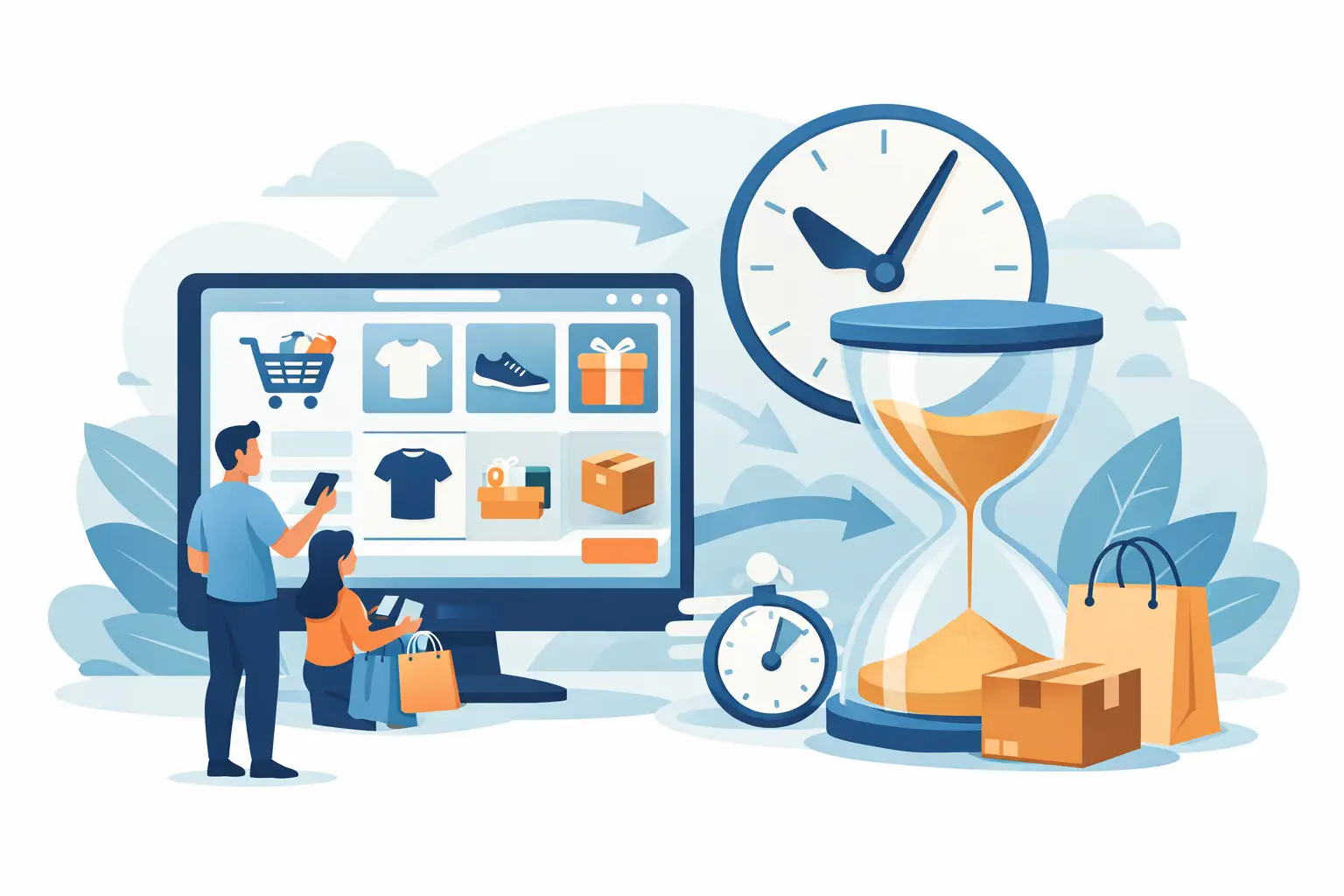
Most shoppers do not want to open six tabs just to buy a phone charger, patio lights, seat covers, and a new hoodie. That is exactly where a one stop online store makes a real difference. Instead of bouncing between niche sites, comparing shipping costs, and repeating the checkout process, shoppers can handle more of their list in one place and move on with their day.
For value-focused customers, convenience is not a bonus. It is part of the product. If a store offers broad selection, fair pricing, fast shipping, and a checkout process that feels simple, it earns repeat business. That is why the one stop online store model continues to appeal to households, drivers, apartment renters, gadget buyers, and anyone trying to get more done in less time.
What makes a one stop online store work
A large catalog by itself is not enough. Plenty of retailers carry thousands of items, but if the experience feels cluttered or confusing, shoppers still leave. A strong one stop online store brings together variety and usability. You should be able to move from home essentials to electronics, from fashion to automotive accessories, without feeling like you entered a different website every time you change categories.
The best version of this model does three things well. First, it gives shoppers enough product depth to make the trip worthwhile. Second, it keeps pricing competitive so buying multiple items in one order feels like a smart decision. Third, it removes friction through clear navigation, dependable search, straightforward product pages, and a checkout flow that does not waste time.
That combination matters because convenience has trade-offs. A narrow specialty shop may offer more technical detail in one category, while a broad retailer may focus more on selection and speed. For most everyday purchases, many shoppers prefer the second option. They want a store that helps them buy with confidence without turning every purchase into research homework.
Why shoppers are choosing a one stop online store
The biggest reason is simple – efficiency. People shop across categories because life happens across categories. A customer may be replacing kitchen storage bins, adding LED lighting to a vehicle, picking up a seasonal jacket, and browsing phone accessories in the same week. Using one retailer for all of it reduces time spent searching, comparing policies, and tracking separate orders.
There is also a pricing advantage when stores compete on volume. A retailer with broad assortment can run attractive deals across categories and make value feel more consistent. That does not mean every item will always be the cheapest available anywhere online. It means shoppers can often get good prices across more of their cart without the hassle of hunting for the lowest possible listing on every single item.
Shipping is another factor. Ordering from multiple stores usually means multiple shipping timelines, more chances of delay, and more package tracking to manage. Buying from one destination can simplify that process. Depending on the order, that can mean fewer split decisions and a clearer path from cart to delivery.
Trust also builds faster when shoppers know the site. Once a customer has a smooth experience with ordering, support, and delivery, they are more likely to come back for something unrelated to their original purchase. A good online store earns that second and third purchase by making the first one easy.
Breadth matters, but category depth matters too
A one stop online store should not feel shallow. Shoppers may come in for everyday goods, but they stay when they see that the store also covers specific needs well. This is especially true in automotive, where buyers are often looking for compatibility, style, and function at the same time.
A retailer that offers automotive accessories alongside home, fashion, and electronics creates a useful advantage. A customer can shop practical replacement items like mirrors or floor mats, then also browse enthusiast-friendly upgrades such as lighting, seat covers, body kits, or performance parts. That kind of assortment brings in both routine buyers and hobby-minded shoppers.
The same logic applies outside auto. Home and garden shoppers want more than a token selection. Electronics shoppers want current, useful products at prices that make sense. Fashion buyers want accessible style, not just filler inventory. When category breadth is matched by enough depth to give shoppers real choice, the store starts to feel dependable instead of generic.
This is where a retailer like Vespena fits naturally. The appeal is not only that customers can buy from multiple departments. It is that they can do it on one site built around convenience, value, and a broad catalog that supports both everyday shopping and more specific needs.
The convenience shoppers actually notice
Retailers often talk about convenience in abstract terms. Shoppers notice it in very specific moments. They notice it when search results are relevant. They notice it when category filters help them narrow options instead of forcing them to scroll through pages of mismatched products. They notice it when product pages are clear, pricing is easy to understand, and checkout does not ask for unnecessary steps.
They also notice customer support. A broad retailer needs responsive service because a bigger catalog means a wider range of questions. Size only helps if the support experience keeps pace. If a shopper can place an order quickly but struggles to get help after the sale, the convenience claim falls apart.
Fast shipping matters too, but expectations should stay realistic. Some products move faster than others, and larger or more specialized items can have different handling times. What customers want is not magic. They want speed when possible, clear expectations when speed varies, and a store that communicates well throughout the process.
One cart, fewer decisions, better flow
There is a hidden benefit to shopping a one stop online store: fewer mental resets. Every new website asks customers to learn a different layout, review different policies, compare different quality signals, and decide whether the seller feels trustworthy. That adds friction, even when each site is technically functional.
One familiar storefront removes a lot of that decision fatigue. Shoppers can stay focused on what they need instead of constantly evaluating where to buy it. That smoother flow can be especially helpful during seasonal shopping, back-to-school buying, gift periods, home refresh projects, or car upgrade plans where the cart grows quickly.
For households balancing budget and time, this matters more than retail experts sometimes admit. Most people are not trying to create the perfect internet buying strategy. They are trying to get quality products at reasonable prices without wasting their evening.
Where the model fits best
A one stop online store works especially well for shoppers who value range and speed over ultra-specialized advice. If you know roughly what you want and want solid options across multiple categories, this format is hard to beat. It is also ideal for repeat buyers who prefer a familiar shopping destination over constantly testing new retailers.
That said, there are moments when specialty shopping still makes sense. If you need highly technical guidance for a rare component or are comparing very niche premium products, a specialist may offer more expertise in that narrow lane. But for the majority of common purchases, broad-format retail delivers what most shoppers are after: selection, value, and less friction.
That is why the one stop model remains strong. It matches real buying behavior. People do not live in product silos, and they do not shop in them either.
A good one stop online store earns its place by making everyday shopping feel easier, faster, and more complete. When a retailer combines broad selection, useful category depth, competitive pricing, and a simple buying experience, it turns convenience into something tangible. For shoppers who want to spend less time searching and more time enjoying what they bought, that is a smart way to shop.











Leave a comment