


Mirror Caps vs Mirror Covers: Which Fits Best?
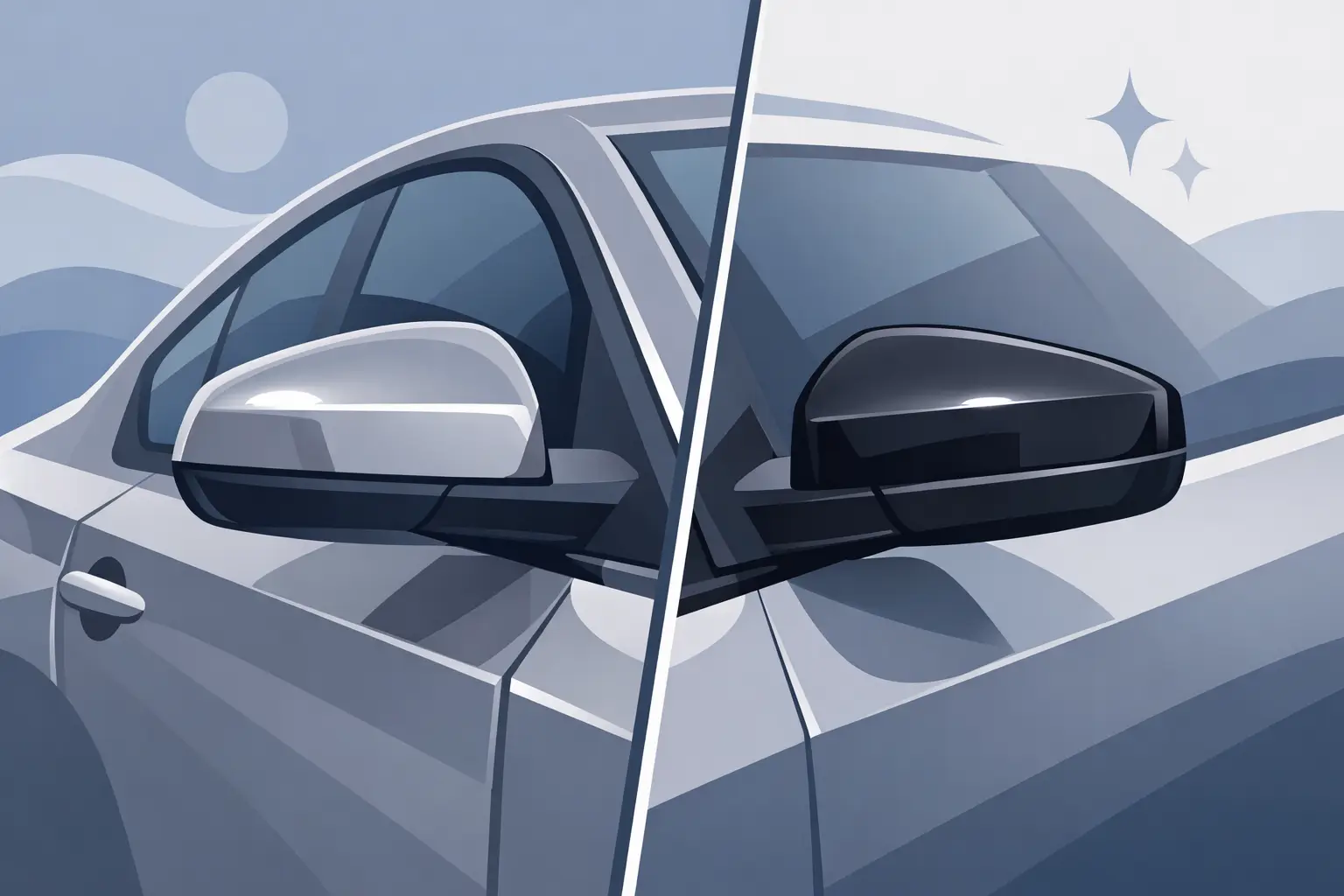
A scratched, faded, or mismatched side mirror can make an otherwise clean vehicle look unfinished. When shopping for a quick exterior refresh, the mirror caps vs mirror covers question comes up often because the names sound similar, yet the products can install differently and deliver different results. The right choice depends on your vehicle, the condition of the existing mirror housing, and whether you want a subtle replacement or a more visible style upgrade.
For most drivers, the best purchase starts with fitment. A well-matched mirror accessory should look like it belongs on the vehicle, stay secure through changing weather, and leave key features such as turn signals, cameras, folding functions, and blind-spot indicators working properly.
Mirror Caps vs Mirror Covers: The Main Difference
Mirror caps are generally rigid exterior pieces designed to replace or attach to the painted outer section of a side mirror. On many vehicles, the cap is the removable color panel on the back of the mirror assembly. Replacement caps can restore a factory-style appearance after damage, while aftermarket options add a different finish, such as gloss black, carbon-fiber-look, chrome, or a painted color.
Mirror covers are often designed to sit over the existing mirror housing. They may use automotive-grade adhesive, clips, or a combination of both. Covers are commonly chosen when the original housing is intact but the owner wants an affordable appearance change or an added layer over minor surface wear.
The terminology is not always consistent from one product listing to another. Some retailers call a clip-on cap a cover, while others use “mirror cover” for a direct replacement shell. Instead of relying on the product name alone, check the installation method, included hardware, vehicle compatibility details, and product photos before ordering.
When Mirror Caps Are the Better Choice
Mirror caps are usually the stronger option when you want a cleaner, more integrated finish. Because they are shaped for a specific mirror assembly, a properly matched cap can sit flush along factory body lines. This makes them especially appealing for drivers replacing a cracked, heavily scuffed, or missing painted mirror section.
They also work well for enthusiasts who want a deliberate appearance upgrade. A pair of gloss black caps, for example, can tie together black wheels, window trim, grille accents, or roof rails without changing the entire vehicle. Carbon-fiber-style caps can give sport-oriented vehicles a more aggressive look at a more approachable price than replacing larger body panels.
Installation can require more care than applying an overlay cover. Depending on the vehicle, you may need to fold the mirror, carefully release retaining tabs, and remove the original outer cap without damaging the mirror glass or internal components. If your mirror includes a turn signal lens, puddle light, camera, or sensor, confirm that the cap has the correct openings and mounting points.
A cap is not automatically the better buy if your existing mirror housing is bent, loose, or cracked underneath. In that situation, replacing the full mirror assembly may be the more dependable repair. A new cap can improve appearance, but it cannot correct a damaged motor, broken hinge, or unstable mounting base.
When Mirror Covers Make More Sense
Mirror covers are a practical choice when the factory mirror is structurally sound and you want a simple visual change. They can hide light scratches, dull paint, and small cosmetic imperfections without requiring you to disassemble the original mirror cap. For many everyday drivers, that faster installation is the main advantage.
An overlay-style cover can also add protection from light surface scuffs caused by tight parking spaces, brush, or routine use. It should not be treated as impact protection, though. A thin cover will not prevent damage from a hard hit, and it will not repair a mirror that is already loose or broken.
Fit is where covers need the most attention. A vehicle-specific cover should follow the contours of the mirror housing without raised edges, gaps, or interference around folding joints. Universal covers can be tempting because they may cost less, but they often look less precise and may not hold up as well at highway speeds or through repeated weather changes.
For adhesive-backed covers, surface preparation matters. The mirror housing should be clean, dry, and free of wax, road film, and loose paint. Install in mild temperatures when possible, align the cover carefully before pressing it down, and allow the adhesive time to bond according to the product instructions. Rushing the placement can leave you with a crooked cover or a weak edge that collects moisture and dirt.
Compare Fitment Before Color or Finish
A mirror accessory that matches your vehicle’s color but does not fit its exact mirror design is not a good deal. Side mirrors can vary by trim level, model year, market package, and technology options. Two vehicles with the same name may use different mirror housings if one has power folding, an integrated signal, a 360-degree camera, or blind-spot monitoring.
Before adding mirror caps or covers to your cart, verify the year, make, model, and trim. If the listing provides an OEM-style part number or a detailed fitment range, compare it with your vehicle information when available. Look closely at the shape of the housing, signal cutouts, camera openings, and the underside of the mirror.
It also helps to consider the finish you are ordering. Painted caps may need a color-code match rather than a general description such as “white” or “silver.” Black finishes can range from matte to satin to high gloss, and chrome-look covers can vary significantly in reflectivity. Product photos are useful, but your vehicle’s existing trim should guide the final choice.
Style, Protection, and Cost Trade-Offs
The best option is rarely just about price. Mirror covers often cost less and can be easier for a do-it-yourself installer, making them a smart choice for a quick refresh. Their trade-off is that they add a layer over the existing housing, which may look less factory-like if the fit is not exact.
Mirror caps can deliver a more finished appearance, especially when designed as direct replacements. They may cost more, take longer to install, and demand more patience around clips and electrical features. In return, they can be the better long-term choice for drivers who care about tight panel fit and a more original-looking result.
Material matters, too. ABS plastic is common because it is lightweight and suitable for molded vehicle parts. A quality finish and accurate molding usually matter more than a flashy material description. For daily drivers, choose a product made for your climate and regular car-wash use rather than selecting solely on appearance.
Installation Checks That Prevent Frustration
Whether you choose caps or covers, inspect the mirror assembly before you begin. Make sure the mirror folds, adjusts, and locks into position normally. Check that integrated lights and sensors are working before installation, so you can identify any pre-existing issue later.
For replacement caps, use plastic trim tools rather than metal screwdrivers whenever possible. Work slowly around retaining tabs, especially in cold weather when plastic is less flexible. Avoid forcing a piece into place. If the cap does not align with the mirror housing, stop and compare the shape, clips, and openings with the original part.
For covers, test-fit first without removing adhesive backing. Confirm that the cover does not block a signal lens, camera, or mirror movement. Once installed, press along the full perimeter rather than only the center, then inspect the edges after the first few drives.
Choose an Upgrade That Matches How You Use Your Vehicle
If you need to replace a damaged outer mirror panel and want an OEM-style result, vehicle-specific mirror caps are usually worth the extra attention. If your mirrors are functional and you simply want a quick, budget-friendly cosmetic update, fitted mirror covers can be a convenient solution.
Vespena shoppers can compare options across practical replacement styles and enthusiast-focused finishes without having to search multiple specialty stores. Start with exact vehicle fitment, then choose the finish and installation style that fits your budget and comfort level. A properly matched mirror upgrade is a small change that can make your vehicle look better every time you walk up to it.












Leave a comment