


8 Small Balcony Makeover Examples That Work
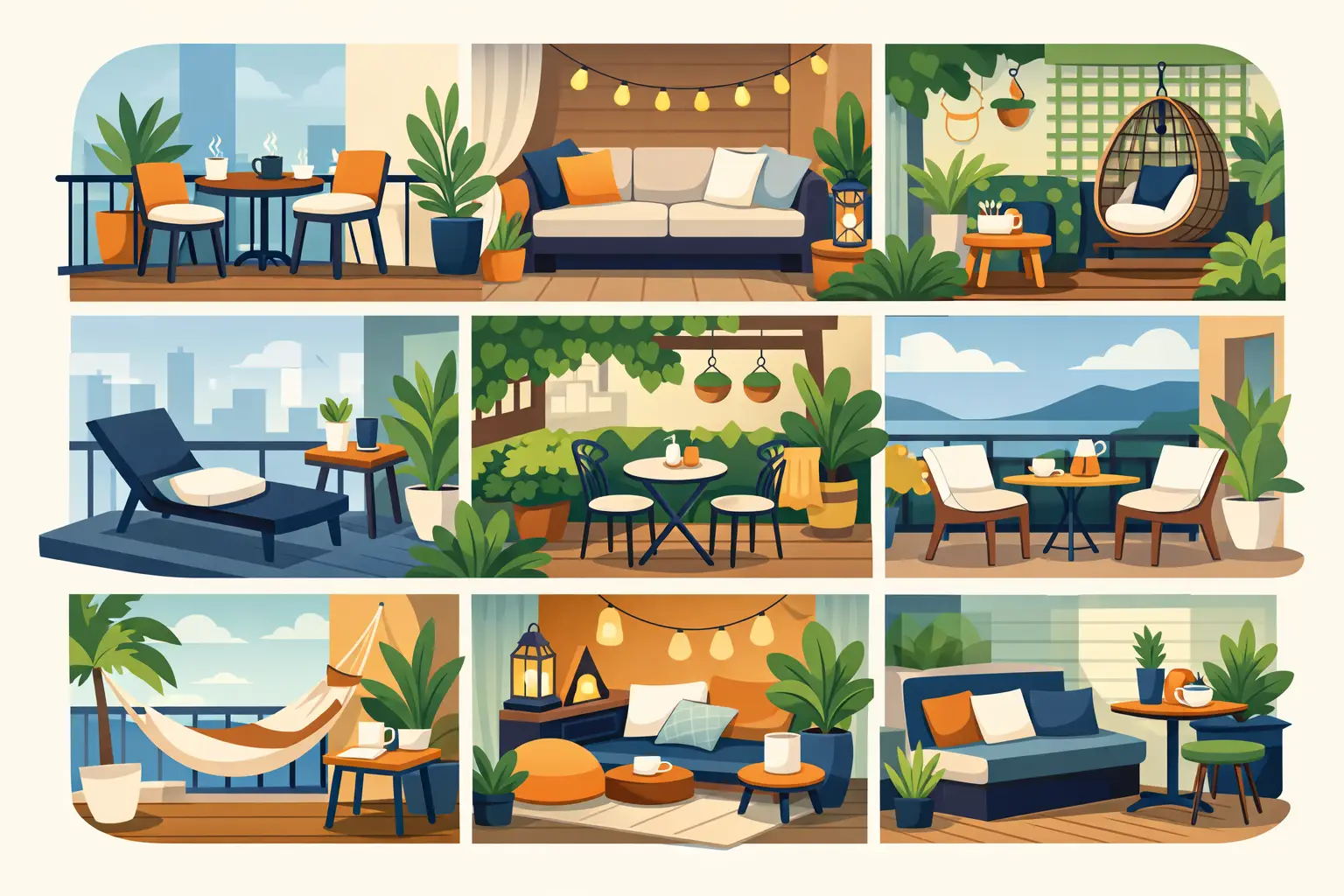
A narrow balcony can become the place you take your first coffee, read after work, or catch a little fresh air without leaving home. The best small balcony makeover examples are not about filling every inch with decor. They start with one clear use, choose furnishings that earn their footprint, and add comfort in layers.
For apartment dwellers and homeowners alike, the goal is simple: create an outdoor space that feels finished without making it hard to move around. Whether you have room for two chairs or only enough space for a compact bistro setup, these ideas show how practical choices can make a major difference.
Start With the Balcony You Actually Have
Before buying furniture, measure the usable floor area, railing height, doorway clearance, and any space needed for an air-conditioning unit or fire escape access. A balcony may look large in a listing photo but feel much smaller once a chair is pulled out.
Also check building rules before adding privacy screens, hanging planters, outdoor rugs, or lighting. Renters usually benefit from removable options such as interlocking deck tiles, freestanding shelves, clamp-on planters, and battery-powered lights. If the balcony is exposed to heavy rain or direct sun, prioritize weather-resistant materials and removable cushions with washable covers.
A good rule is to leave a clear walking path from the door to the railing. Small spaces feel more usable when they are easy to enter and exit, not when every surface is covered.
1. The Coffee-and-Conversation Balcony
This is one of the most useful small balcony makeover examples because it works in spaces that are only a few feet deep. Place a compact folding bistro table near the railing with two slim chairs. A round tabletop is often easier to walk around than a square one, while folding furniture lets you open up the floor when guests are not around.
Add an outdoor rug to define the seating area and make bare concrete feel less cold underfoot. A pair of seat cushions and a small tray for drinks can make a simple setup feel intentional. If your view is worth enjoying, keep railing decor low so it does not block the sightline.
The trade-off is storage. Bistro furniture is ideal for dining and morning coffee, but it may not provide a place to tuck away gardening tools or blankets. A narrow weather-resistant storage bench can solve that problem if the balcony is wide enough.
2. The Soft Outdoor Lounge
If relaxing is the priority, skip the dining table and use a compact loveseat, two low-profile lounge chairs, or a single outdoor daybed-style chair. This approach works best on wider balconies where the furniture can sit against one wall without crowding the door.
Choose a small side table instead of a coffee table. It takes less floor space but still holds a book, phone, or cold drink. Layer in outdoor pillows in two or three coordinating colors, then add a throw blanket you can bring indoors when the weather changes.
Keep fabric choices realistic. Light colors can look airy, but they show city dust and pollen faster. Patterned, medium-tone covers are often the better choice for a busy household or an uncovered balcony.
3. The Green Privacy Retreat
A balcony facing neighboring windows or a busy street can still feel private. Use tall planters along the railing or one side wall, then fill them with grasses, climbing plants, or compact evergreen varieties suited to your climate. A freestanding trellis can give vines a place to grow without requiring permanent installation.
For quicker coverage, add an outdoor privacy screen made from weather-ready fabric, bamboo-style panels, or artificial greenery. The key is to secure it properly and avoid anything that could shift in strong wind. Check that it does not interfere with drainage, building maintenance, or required visibility.
This design earns its appeal over time. Plants soften hard apartment lines, reduce the sense of being on display, and give a small space more depth. It does require regular watering, though. Self-watering planters or a simple watering schedule are worth considering if you travel often.
4. The Mini Garden With Room to Sit
Gardeners do not have to choose between herbs and a usable balcony. Think vertically first. Use railing planters for trailing flowers, wall-mounted or freestanding tiered shelves for herbs, and narrow planters for vegetables that suit containers.
Reserve one small chair or a folding stool for sitting. It may seem modest, but a single comfortable seat turns a plant display into a place you will actually use. Choose lightweight pots if you expect to rearrange seasonally, and use saucers or built-in drainage trays to help protect the balcony below.
Start with plants that match the light. Basil, peppers, and many flowering annuals need strong sun. Ferns, impatiens, and certain leafy greens tolerate shadier conditions better. Buying the wrong plants for the exposure is one of the fastest ways for a balcony makeover to become a maintenance chore.
5. The Work-From-Home Fresh-Air Corner
For people who spend long hours indoors, a balcony can become a welcome change of setting. A narrow bar-height table against the railing or wall creates a compact work surface for a laptop, notebook, and coffee. Pair it with a supportive folding chair rather than a deep lounge chair.
Shade matters here. A compact patio umbrella, removable shade sail where allowed, or outdoor curtain panel can reduce glare and make the space more comfortable during sunny hours. If you use electronics outdoors, bring them inside after each session and avoid working outside in damp weather.
This setup is best for short work blocks, video-free calls, and personal planning. It is not a replacement for a full office, especially if traffic noise, weak Wi-Fi, or direct afternoon sun makes concentration difficult. Still, even a 30-minute outdoor reset can make a small balcony feel far more valuable.
6. The Evening Lights Balcony
Lighting changes the mood faster than almost any other upgrade. Warm white string lights wrapped around a railing or placed along a wall can make an ordinary balcony feel inviting after sunset. Solar lanterns, LED candles, and small battery-operated table lamps add softer layers without the need for outlets.
Use lighting to highlight how the space is used. A lamp near seating helps with reading, while lanterns at floor level create a relaxed glow around plants and rugs. Avoid overly bright, cool-toned lights that can feel harsh in a close apartment setting.
Safety comes first. Choose lighting designed for outdoor use, keep cords away from walkways, and follow your building’s rules for electrical connections. Battery and solar options are often the simplest choice for renters who want a low-commitment update.
7. The Storage-Smart Balcony
A small balcony often becomes a holding zone for boxes, cleaning supplies, and seasonal items. A better makeover gives storage a designated place instead of letting it take over. A slim storage bench can hold cushions, gardening gloves, and small outdoor accessories while adding extra seating.
Look for vertical shelving with a narrow footprint, especially if one wall is unused. Store practical items in matching weather-resistant bins so the balcony looks organized rather than crowded. Keep only what belongs outdoors. Indoor furniture, cardboard boxes, and loose textiles quickly make a balcony feel temporary.
For a budget-conscious refresh, start with the functional basics: a storage piece, an outdoor rug, and one seating option. Then add planters or lighting later. Vespena shoppers can build this kind of space by focusing on versatile home and garden essentials that serve more than one purpose.
8. The Minimalist View Balcony
Sometimes the strongest makeover is restraint. If the balcony overlooks a skyline, water, trees, or a lively neighborhood, use furniture that supports the view instead of competing with it. Two simple chairs, a small table, and one or two sculptural planters may be all you need.
Stick with a limited palette such as black and natural wood tones, sand and cream, or gray with green plants. Repeating colors makes a small area look calmer and more pulled together. Skip oversized decor, too many tiny accessories, and bulky furniture that makes the balcony feel like a storage room.
Minimalist does not have to mean uncomfortable. A textured rug, cushions, and soft lighting can keep the design warm while preserving an open, uncluttered feel.
Make Your Balcony Easy to Use Every Day
The most successful balcony is not the one with the most accessories. It is the one that fits your routine. If you drink coffee outside, prioritize a stable table. If you love plants, give yourself an easy watering setup. If you want to unwind at night, invest first in comfortable seating and gentle light.
Choose one main purpose, add one or two supporting features, and leave space to breathe. A small balcony does not need a complete overhaul to feel like a favorite part of your home.









Leave a comment