


USB Oral Irrigator & Polisher for Cleaner, Smoother Teeth
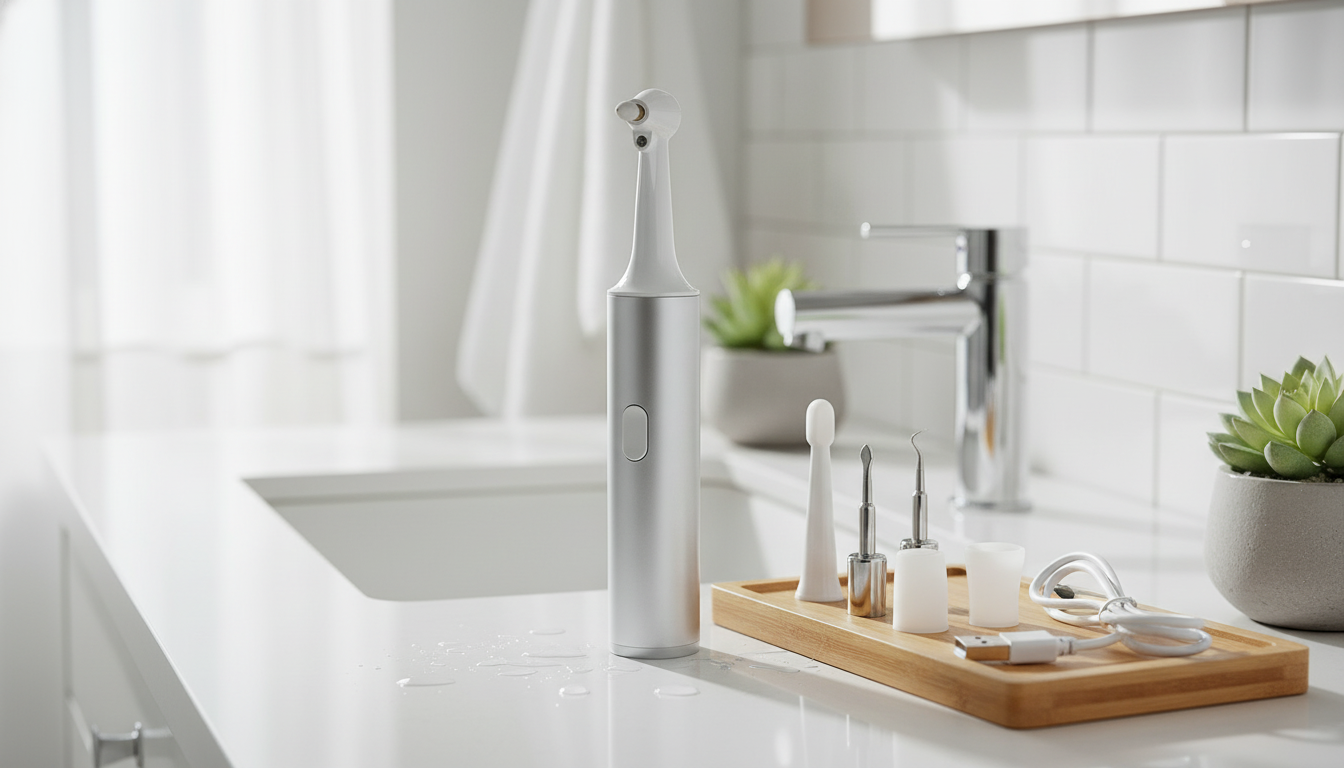
Electric Teeth Whitening & Plaque Remover: USB Rechargeable Oral Irrigator and Polisher for Daily Freshness
A compact oral care device that combines water flossing with gentle surface polishing can make it easier to stay on top of everyday buildup—especially in those spots a toothbrush tends to miss. Used consistently, an oral irrigator and polisher can help dislodge trapped debris near the gumline and between teeth, support gum comfort, and leave teeth feeling smoother between dental visits. Below is a practical guide to what this type of device does, who it fits best, how to use it safely, and what results are realistic over time.
What This Oral Irrigator and Polisher Does
Daily brushing is essential, but it doesn’t always reach into tight spaces or along the gumline as thoroughly as you’d like—particularly after meals or with dental work that creates extra nooks. A water flosser-style irrigator uses a focused stream of water to help rinse away loose particles and disrupt plaque where it tends to collect.
- Targets hard-to-reach areas with a focused water stream to help dislodge trapped debris along the gumline and between teeth.
- Supports a smoother tooth feel by helping lift surface residue that can make teeth look dull.
- Designed for at-home maintenance between professional cleanings rather than replacing routine checkups.
- USB rechargeable format helps keep it convenient for bathrooms, travel, and small storage spaces.
For background on interdental cleaning options (including floss and other tools), the American Dental Association provides a helpful overview: https://www.ada.org/resources/ada-library/oral-health-topics/floss.
Who It’s For (and When to Skip It)
This type of device is often chosen for convenience and consistency—two things that matter a lot for daily oral care. It can be a strong add-on if string floss is difficult to manage, if tight contacts make flossing frustrating, or if you simply want an efficient way to rinse after meals.
- Good fit for people who struggle with string floss, have tight contacts, or want extra cleaning after meals.
- Helpful for those with orthodontic appliances, retainers, bridges, or other areas where food tends to collect (use the gentlest setting first).
- May be useful for people who drink coffee/tea and want to keep surfaces feeling cleaner between whitening routines.
- Skip use on irritated or bleeding gums until evaluated by a dentist; stop if pain, swelling, or persistent bleeding occurs.
- Not a substitute for professional treatment for tartar/calculus; stubborn deposits still require dental instruments.
| Situation | Recommended approach |
|---|---|
| Sensitive gums | Start on lowest intensity; short sessions; consult dentist if discomfort persists |
| Braces/aligners | Use after meals; focus along brackets and gumline; avoid excessive pressure |
| Crowns/bridges/implants | Aim water along margins gently; follow dentist-specific instructions |
| Recent dental work | Wait for dental clearance before using pressurized water/polishing tips |
Daily Routine: Best Results in 3–5 Minutes
A simple routine tends to work best: steady coverage, low-to-comfortable pressure, and brief polishing rather than aggressive scrubbing. If you’re new to water irrigation, expect a short learning curve to reduce splashing and find the right angle along the gumline.
- Fill the reservoir with lukewarm water; avoid very hot water that can irritate tissues.
- Lean over the sink, place the tip in the mouth before turning it on, and start on the lowest mode.
- Trace along the gumline and pause briefly between teeth; keep lips slightly closed to reduce splashing.
- Use the polisher function gently and briefly on visible surfaces; avoid lingering on one spot.
- Rinse the device after use and allow parts to dry to reduce odor and residue buildup.
General dental hygiene guidance (brushing, interdental cleaning, and regular checkups) is also summarized well by Mayo Clinic: https://www.mayoclinic.org/healthy-lifestyle/adult-health/in-depth/dental/art-20047475.
Safety and Comfort Tips
Comfort is not just about preference—gentle technique helps protect gums and makes it more likely you’ll stick with a routine long-term. Higher pressure can feel “more powerful,” but it isn’t automatically better for gum health or for day-to-day maintenance.
What to Expect: Whitening, Plaque, and Freshness
| Timeframe | Common changes noticed | Best practice |
|---|---|---|
| After 1–3 uses | Cleaner feel between teeth; less food trapping | Use low pressure and steady coverage |
| After 1–2 weeks | More consistent gumline cleanliness; fresher breath | Pair with brushing twice daily |
| After 3–6 weeks | Less buildup sensation in common problem areas | Maintain tip hygiene and routine consistency |
Product Snapshot and Key Highlights
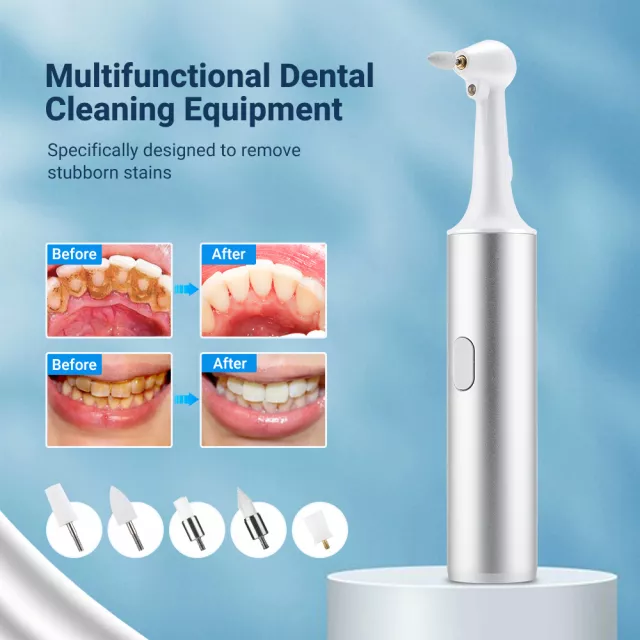
If you’re looking for a compact, rechargeable option that combines water irrigation with polishing support, the Electric Teeth Whitening & Plaque Remover – USB Rechargeable Oral Irrigator and Polisher is designed for easy, cordless daily use. The most noticeable benefits typically come from consistent, gentle technique rather than maxing out intensity.
Also in stock for a simple self-care setup
- Portable Eye Massager (helpful for winding down after a long day or screen time)
- 3-in-1 Bottle Gap Cleaner Brush (a handy tool for cleaning small crevices—useful for tight household cleaning tasks)
FAQ
Does an oral irrigator remove tartar?
It can help rinse away debris and disrupt soft plaque, but tartar (calculus) is hardened buildup that generally requires professional dental tools to remove. If rough deposits remain despite consistent use, schedule a cleaning.
Can this replace flossing?
It can complement brushing and may be especially helpful for people who don’t floss consistently, but some mouths still benefit from floss or interdental brushes depending on spacing and dental advice. Using more than one method is common for thorough interdental care.
Is it safe for sensitive gums?
It’s often tolerated when used on the lowest setting with short, gentle sessions and a constantly moving nozzle. Stop and consult a dentist if pain, swelling, or bleeding persists.













Leave a comment