


Muscle Gain Nutrition Blueprint: Protein, Carbs & Timing
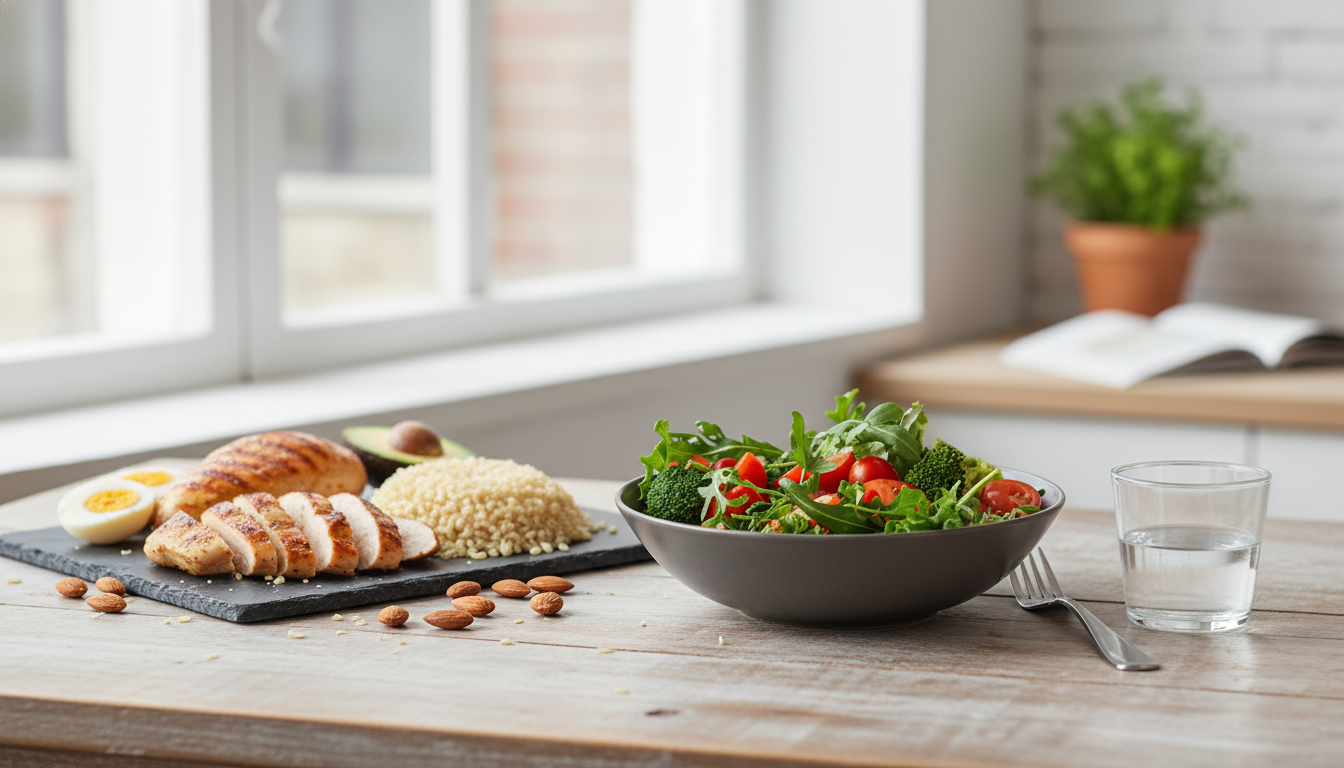
Muscle Fuel: A Practical Healthy Diet Blueprint for Lean Muscle Gain
Muscle gain happens fastest when training and recovery are matched with consistent nutrition: enough total calories, high-quality protein spaced across the day, performance-supporting carbs, and fats that keep hormones and health on track. Use the framework below to set simple targets, keep portions predictable, and build mix-and-match meals you can repeat without burning out.
Set the Foundation: Calories, Consistency, and a Simple Weekly Rhythm
Lean muscle gain is usually a “small surplus, done consistently” problem. Start by eating a modest calorie surplus and keep it steady long enough to measure what’s happening.
- Aim for a steady surplus: If the scale trend isn’t moving after 2–3 weeks, increase by about 150–250 calories per day. If fat gain is too fast, pull back by a similar amount.
- Create a weekly rhythm: Pick 2–3 staple breakfasts, rotate 3–5 lunch/dinner options, and keep a short list of high-protein snacks for busy days.
- Prioritize adherence: The best diet is the one you can execute on travel days and low-motivation days.
- Track the minimum effective data: 3–7 day average body weight, waist measurement, training log, plus quick notes on hunger/energy.
If you want a structured, ready-to-use approach you can follow day by day, Muscle Fuel: The Ultimate Guide to a Healthy Diet for Muscle Gain is a straightforward companion for planning and consistency.
Protein Targets That Actually Build Muscle
Protein is the anchor. Total daily protein matters most, and spreading it across the day tends to make it easier to hit targets while supporting muscle protein synthesis.
- Daily target: 1.6–2.2 g protein per kg of body weight is a common effective range for resistance-trained adults.
- Per-meal target: 25–45 g protein per meal across 3–5 feedings; add a protein-rich snack if you fall short.
- Choose high-quality sources often: whey, dairy, eggs, poultry, fish, lean beef, soy; plant combinations can work well when totals are high enough.
- Simple cue: 1 palm to 2 palms of protein at each main meal, then “top up” with a shake, yogurt, or cottage cheese if needed.
- Common pitfall: relying on one massive dinner—spreading protein is usually more reliable.
| Food | Easy portion | Approx. protein |
|---|---|---|
| Chicken breast (cooked) | 1 palm (about 120–150 g) | 30–40 g |
| Greek yogurt | 1 cup (about 225 g) | 20–25 g |
| Cottage cheese | 1 cup (about 225 g) | 25–30 g |
| Eggs | 3 whole eggs | 18–21 g |
| Whey or soy isolate | 1 scoop | 20–30 g |
| Firm tofu | 200 g | 20–25 g |
| Canned tuna | 1 can | 25–30 g |
For deeper protein guidance (including evidence-based ranges), the International Society of Sports Nutrition position stand on protein and exercise is a solid reference.
Carbs and Fats: Performance Fuel Without the “Dirty Bulk”
Carbs aren’t the enemy of a lean bulk—they’re often what keeps training performance high enough to justify the extra calories.
- Carbs support output and recovery: put most carbs near workouts and during the most active parts of your day.
- Choose mostly minimally processed sources: rice, oats, potatoes, pasta, whole grains, fruit, beans, and legumes.
- Include daily healthy fats: olive oil, avocado, nuts, seeds, and fatty fish help satiety and overall health.
- Practical split: higher carbs on hard training days, slightly lower carbs on rest days while keeping protein steady.
- Watch calorie leaks: sugary drinks, frequent pastries, and grazing can erase a controlled surplus fast.
When you want more precise portion estimates for foods you actually eat, USDA FoodData Central is helpful for checking protein, carbs, and calories.
Meal Timing That Fits Real Life (Pre- and Post-Workout)
Timing matters, but it’s not fragile. Get the basics right, then adjust to comfort and schedule.
Sleep is a real performance multiplier. If winding down is your weak point, a simple recovery add-on like the Portable Eye Massager can support a calmer bedtime routine—especially on high-stress training weeks.
High-Protein Meal Plan Templates (Mix-and-Match)
| Day | Meals | Protein-focused notes |
|---|---|---|
| Day 1 (training) | Breakfast: yogurt bowl • Lunch: chicken rice bowl • Snack: shake + fruit • Dinner: salmon + potatoes + salad | Aim for 4 protein feedings; place most carbs lunch/dinner |
| Day 2 (training) | Breakfast: eggs + oats • Lunch: turkey chili • Snack: cottage cheese • Dinner: beef or tofu stir-fry + noodles | Include protein at breakfast to reduce late-day catch-up |
| Day 3 (rest) | Breakfast: tofu scramble + toast • Lunch: tuna salad wrap • Snack: yogurt • Dinner: roasted chicken + vegetables + quinoa | Keep protein steady; slightly reduce carbs if surplus climbs too fast |
Supplements: Useful, Optional, and Easy to Misuse
For a research-backed overview of dosing and safety, see the ISSN position stand on creatine supplementation.
Troubleshooting: When the Scale or Strength Stalls
If you prefer a plug-and-play structure (including high-protein meal plans you can rotate), Muscle Fuel: The Ultimate Guide to a Healthy Diet for Muscle Gain keeps the process simple without turning eating into a second job.
FAQ
How much protein is needed per day for muscle growth?
A practical evidence-based range is about 1.6–2.2 g of protein per kg of body weight per day. Most people do best spreading that intake across 3–5 meals, with roughly 25–45 g protein per feeding.
Should carbs be lowered while trying to gain lean muscle?
Not necessarily—carbs often improve training performance and help recovery, which supports muscle gain. A simple approach is to keep carbs higher on hard training days and slightly lower on rest days while keeping protein steady.
Is creatine safe and does it cause fat gain?
Creatine monohydrate is well-studied and generally considered safe for healthy adults at common doses (about 3–5 g daily). Any early scale increase is typically water stored in muscle, not body fat.
















Leave a comment