


How to Install Ambient Car Lighting
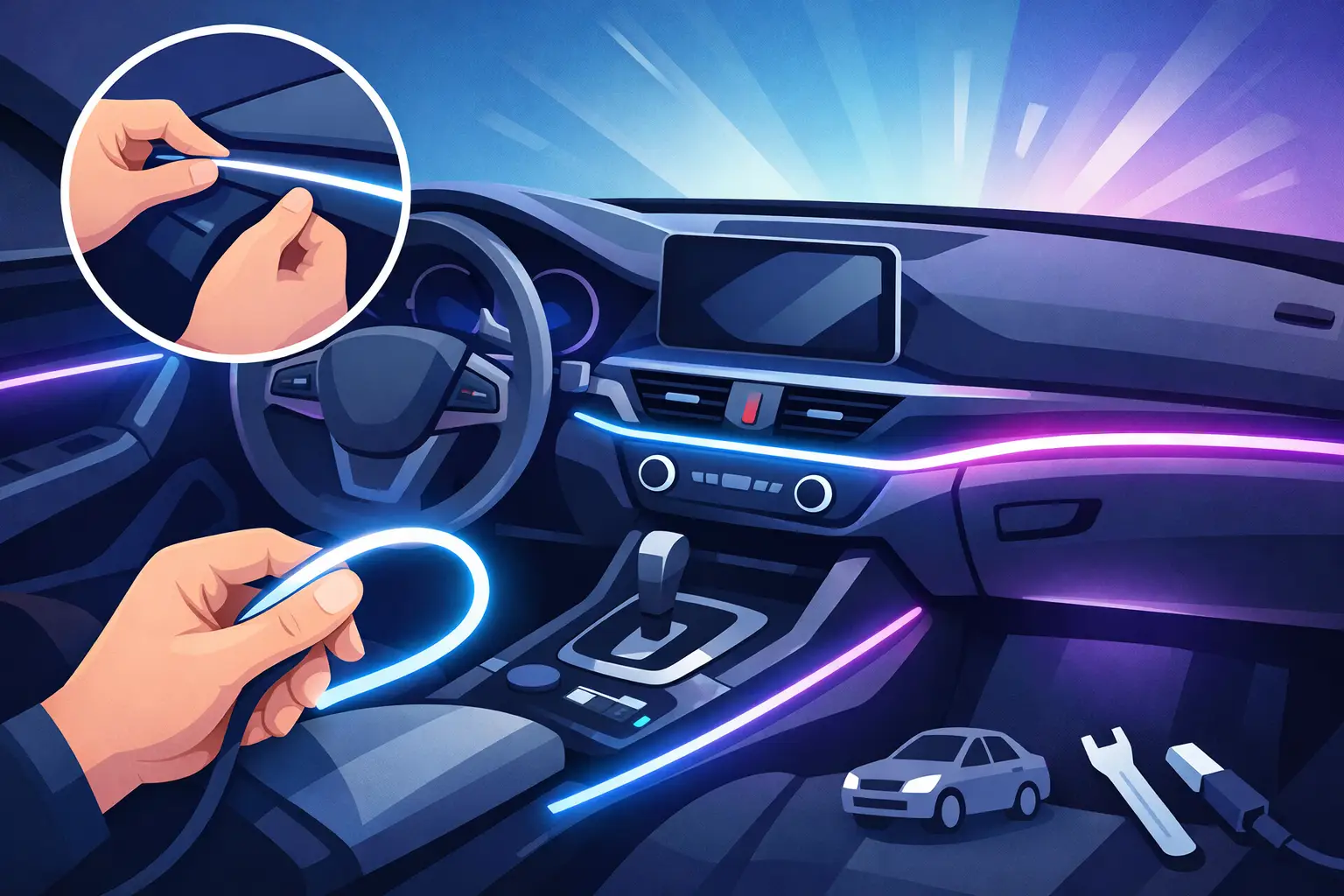
A dim, uneven LED strip hanging under the dash can make a car interior look cheap fast. Done right, though, ambient lighting adds a clean custom feel, improves nighttime visibility, and gives your cabin a more premium look without turning the install into a full weekend project. If you are figuring out how to install ambient car lighting, the key is choosing the right kit, planning wire routing before you stick anything down, and taking your time with power connections.
For most drivers, this is a practical DIY upgrade. You do not need a full custom audio shop setup to get good results. Many ambient light kits are designed for straightforward installation, and the biggest difference between a clean finish and a frustrating one usually comes down to prep, not complicated tools.
What you need before you start
Before installing anything, make sure your kit matches how you want the lights to work. Some ambient lighting kits plug into a 12V outlet, some hardwire into the fuse box, and others tap into interior lighting circuits so they turn on with your headlights or dome lights. Plug-in kits are faster and easier, while hardwired kits usually look cleaner because there is less visible wiring.
You will also want a few basic tools on hand: a trim removal tool, wire ties, alcohol wipes for surface prep, a test light or multimeter, and possibly fuse taps if your kit does not include them. If your car has tight interior panels, a flashlight helps more than most people expect.
The other part of prep is deciding where the light should actually go. Common locations include under the dashboard, beneath the front seats, along footwells, inside door trim gaps, and around the center console. A subtle glow usually looks better than direct exposed LEDs. If passengers can see the bare light source from every angle, the finish may feel harsh instead of refined.
How to install ambient car lighting without a messy finish
Start by testing the kit before mounting anything. Connect the power source, turn the lights on, and confirm every strip, tube, or fiber optic section works. It is much easier to replace a faulty component now than after everything is tucked behind trim.
Next, clean each mounting surface. Adhesive-backed lighting does not hold well on dusty plastic, textured panels, or surfaces treated with interior shine products. Wipe the area with alcohol and let it dry fully. This one step can save you from sagging strips a week later.
Do a dry fit before peeling any adhesive backing. Hold each lighting section in place and trace where the wires will run. This helps you avoid stretching wires across pedals, seat tracks, or areas that move often. It also lets you check whether the light output is too bright or too exposed in a specific position.
When you are happy with placement, mount the lighting one section at a time. Press firmly and work slowly. If your kit uses clips instead of adhesive, make sure they are fully seated and not pinching the light housing.
Best placement for a factory-style look
Under-dash placement is the easiest and most popular option because it creates footwell lighting without needing to modify door panels or dashboard trim. Mount the strips high enough that the LED source is hidden, but low enough that the floor area catches the glow.
For rear seating, under-seat lighting works well if the strips are protected from shoes and debris. Door trim lighting can look excellent, but it usually takes more patience because you need to route wires through tighter panel areas. Fiber optic kits designed for trim gaps often create the most upscale effect, though they can be more time-consuming than basic LED strips.
If your goal is a soft ambient effect, less is often more. Four well-placed zones usually beat a dozen bright points scattered around the cabin.
Powering the lights the right way
The power connection is where the install becomes either simple or more custom. A 12V cigarette lighter or accessory outlet connection is the easiest route. It is beginner-friendly, requires little or no electrical work, and can usually be removed without leaving much trace. The downside is visible wiring near the outlet and the fact that you may lose use of that port unless you add a splitter.
Hardwiring into the fuse box gives a cleaner result. In many vehicles, this is the better long-term option if you want the lights to switch on with ignition or with the parking lights. To do this safely, identify an appropriate fuse slot using your owner’s manual and confirm it with a test tool. Many installers use an add-a-fuse tap so the ambient lighting gets protected power without cutting factory wiring.
If you want the ambient lighting to dim with your interior lights or come on with the headlights, tapping into an existing lighting circuit may make sense. This is more advanced because wire identification matters, and modern vehicles can be sensitive to poor splices or incorrect loads. If you are not comfortable reading wiring diagrams or testing circuits, this is the point where a simpler power method may be the smarter choice.
Important safety checks
Always disconnect the negative battery terminal before making hardwired connections. Keep wires away from pedals, steering components, seat rails, and any airbag-related areas. Do not force trim panels closed over bulky connectors. If something does not sit flush, reroute it instead of hoping pressure will solve it.
A clean install is not just about looks. It is also about making sure nothing rattles, snags, or interferes with normal driving.
Routing and hiding wires
Good wire routing is what separates a neat DIY job from one that looks unfinished. Most interior lighting wires can be tucked behind lower dash panels, center console edges, kick panels, and carpet trim. Use trim tools instead of metal screwdrivers where possible so you do not mark soft plastics.
Try to follow factory wire paths when you can. Carmakers already route harnesses through practical, protected areas, so borrowing those paths usually helps. Secure loose wire sections with zip ties or adhesive clips, but avoid bundling wires so tightly that connectors strain when panels are reinstalled.
If your kit includes a control module for app control, music sync, or color changing, place that module somewhere accessible but hidden, such as behind the glove box area or under the center console. You may need occasional access for pairing or troubleshooting, so do not bury it too deeply unless everything can be controlled from your phone.
Common mistakes when installing ambient lighting
The most common mistake is placing the lights where the LEDs are directly visible. This often creates glare instead of ambience. Another frequent issue is relying on adhesive alone without cleaning the surface first. Heat, dust, and textured plastic can all weaken the bond.
People also run into trouble by choosing the wrong power source. If the lights stay on when the car is off, you risk draining the battery. If they are connected to a circuit that cannot handle the added load, you may blow a fuse. That is why checking how the kit is designed to operate matters before installation starts.
Brightness can be another problem. Ultra-bright settings may look fun for a minute, but they can be distracting on dark roads. If your kit has a dimmer or app-based control, spend a little time dialing in a level that looks good without reflecting off glass or glossy trim.
Should you install it yourself or pay a shop?
It depends on the kit and on your comfort level. A basic plug-in LED footwell kit is a very manageable DIY project for most car owners. A hardwired multizone setup with door panel lighting and fuse box integration takes more patience and some electrical confidence.
If you care most about value and convenience, a simple kit you can install in one evening may be the best fit. If you want a near-factory appearance with hidden wiring throughout the cabin, paying a professional may save time and reduce the chance of panel damage or electrical issues.
For shoppers comparing options, the sweet spot is usually a quality kit with flexible placement, clear wiring instructions, and enough control features to customize color and brightness without overcomplicating the install. A broad automotive accessory selection makes that comparison process easier because you can match your lighting setup to your vehicle style and budget in one place, which is part of the appeal at Vespena.
Final setup tips for better results
Once the lights are installed, test them at night before calling the job done. Look for hot spots, glare on reflective trim, and any wires that become visible when doors open or seats move. Small adjustments in strip angle or brightness can make a big difference.
It is also worth checking that the adhesive holds after a few days of driving, especially in hot weather. If a section starts to lift, remount it before it falls completely and pulls on the wiring.
Ambient lighting works best when it feels intentional. Keep the glow soft, hide the hardware, and match the setup to how you actually drive. That way the upgrade feels less like an add-on and more like a car you enjoy getting into every night.











Leave a comment